
Possible candidate
An adolescent or adult with a genuine circumcision indication, compatible anatomy and an available correct device size after examination.

ZSR is a circular disposable circumcision device that cuts a planned ring of foreskin and closes the wound with small metal clips or staples. The word “stitchless” means traditional sutures are usually avoided—it does not mean there is no wound, no bleeding, no pain or no risk.


“For circumcision, I first decide why surgery is being considered and what the anatomy requires. Only then do I decide whether a circular stapler device such as ZSR, another technique, or no surgery is the appropriate next step.”Dr. Pawan Shahane, M.Ch. Plastic Surgery · Founder, Mayflower Clinic, Nagpur
ZSR is one type of disposable circumcision suture device. The device combines a circular cutting mechanism with a ring of small metal clips/staples that approximate the skin edges. This differs from conventional circumcision, where the surgeon removes the foreskin with standard surgical instruments and usually closes the wound with sutures.
Published adult data include ZSR among circular disposable devices and show that these devices can provide short operative times, but they still have postoperative issues such as oedema, haematoma, infection, pain and clip/staple follow-up. A 2024 multicentre study comparing two disposable devices found spontaneous clip fallout was common and differed between devices, which is one reason the word “stitchless” should never be interpreted as “no closure” or “no aftercare.”
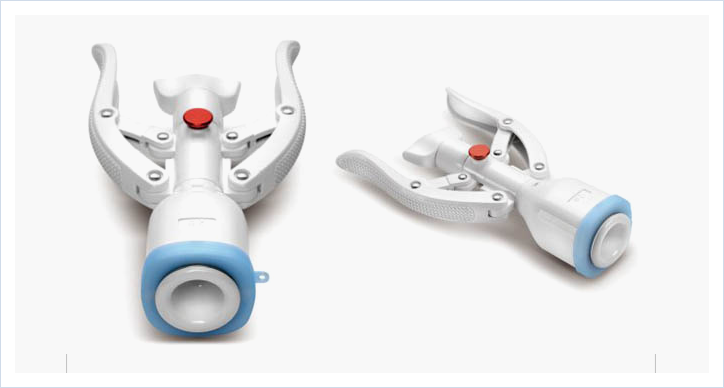
The exact device steps and anaesthesia plan depend on the patient and manufacturer instructions. The outline below is educational, not a substitute for an operative plan.
Phimosis, recurrent inflammation, scarring, hygiene difficulty, patient preference or another concern is assessed. Alternatives are discussed before circumcision is chosen.
Foreskin tightness, adhesions, frenulum, glans anatomy and penile size influence whether a circular device can be used safely and where the final skin line may sit.
Local or another anaesthesia plan is used as clinically appropriate. The field is prepared and the device components are checked before placement.
The protective bell is positioned and the foreskin is arranged so the planned amount of tissue is captured. Position must be checked before activation.
Device activation removes the planned foreskin ring and places circumferential clips/staples. The device is then removed according to its instructions.
The surgeon checks haemostasis, wound alignment, glans condition and urinary comfort before providing dressing and discharge instructions.
Follow-up focuses on swelling, pain, wound healing and clip/staple separation. Retained or problematic clips should be assessed clinically rather than forcibly removed at home.
The meaningful question is which method fits the indication, anatomy, age, desired degree of tissue control and surgeon judgement.
| Method | How the wound is managed | Potential advantage | Why another option may be preferred |
|---|---|---|---|
| ZSR / circular stapler | Small clips/staples | Standardised circular cutting and closure in one device | Device size/anatomy may limit use; clip follow-up is required |
| Generic stapler circumcision | Depends on device | Broader technique category | Specific device features differ; see the generic technique guide |
| Laser-labelled circumcision | Usually sutures or other closure depending technique | Cutting/haemostasis approach may differ | “Laser” does not remove the need for careful tissue planning or aftercare |
| Dorsal slit | May be slit-only or part of circumcision | Useful in selected tight-foreskin or urgent scenarios | May not provide the same circumferential tissue removal goal |
| Conventional surgery | Usually absorbable sutures | High degree of customised tissue control | May take longer and uses traditional sutures |
An adolescent or adult with a genuine circumcision indication, compatible anatomy and an available correct device size after examination.
A patient who understands that clips/staples replace sutures and accepts the need for follow-up if clips remain.
General health, anaesthesia needs, transport and postoperative support allow same-day discharge when clinically appropriate.
More customised dissection or visual control may make conventional surgery or another method more appropriate.
Active balanitis, cellulitis or another infection may need treatment before elective circumcision, depending on the clinical situation.
ZSR should not be assumed appropriate at every age or penile size. Children need age-appropriate assessment, anaesthesia and technique selection.
Individual instructions from the operating surgeon take priority. General adult circumcision guidance indicates that complete healing commonly takes several weeks.
Rest, take prescribed or advised pain relief, keep the dressing and wound care as directed, and expect some swelling or sensitivity. If you had sedation/general anaesthesia, follow escort and no-driving instructions.
Keep the area clean and dry as advised, wear loose clothing, avoid friction, and check that urine passes normally. Desk work may be possible depending on discomfort and the nature of your job.
Clips/staples may begin loosening as healing progresses. Do not pull them off. Continue to avoid cycling, strenuous sport and wound-stressing activity until cleared.
Sexual activity and masturbation should wait until the wound is fully healed and there is no concerning pain, opening, bleeding or retained-clip issue. Some patients take longer.
Wash only as instructed, avoid harsh antiseptics unless prescribed, and pat or air-dry rather than rubbing the wound.
Loose clothing and supportive but non-compressive underwear may improve comfort. Avoid tight garments that rub the staple line.
Take prescribed medicines exactly as directed. Do not self-start antibiotics or blood-thinning medicines without advice.
Do not twist, cut or forcibly remove clips/staples. Retained or uncomfortable clips should be assessed by the clinic.
Delay cycling, heavy lifting, gym activity and sport until the wound has progressed sufficiently and your surgeon is comfortable.
Use the written procedure-specific instructions plus the broader Patient Care Guide.
Most recovery issues are manageable when recognised early, but patients should know what is expected and what is not.
Mayflower Clinic does not use a public fixed online quote for surgery because the final plan depends on examination and clinical needs.
The selected disposable device and required size affect consumable cost and must match anatomy.
Local versus other anaesthesia, monitoring and the appropriate procedure setting affect the total plan.
Scarring, adhesions, infection history, need for extra dissection or a revision-type situation can change the procedure.
The current master review inventory does not assign a verified quotation specifically to ZSR circumcision. Rather than mislabel unrelated feedback as a ZSR result, this page lists verified general Google reviewers and links to the original profile.
Included in Mayflower Clinic’s verified general Google-review inventory. No ZSR procedure attribution is made on this page.
Source: clinic verified review inventoryIncluded in Mayflower Clinic’s verified general Google-review inventory. No ZSR procedure attribution is made on this page.
Source: clinic verified review inventoryIncluded in Mayflower Clinic’s verified general Google-review inventory. No ZSR procedure attribution is made on this page.
Source: clinic verified review inventoryAdult circumcision and device studies show that circular stapler devices can be efficient, but bleeding, infection, swelling, pain, wound problems and retained clips remain possible. General circumcision guidance also uses several weeks for healing and includes clear activity restrictions and urgent warning signs.
Last medically reviewed: 19 August 2026 · Reviewer: Dr. Pawan Shahane, M.Ch. Plastic Surgery
These visible questions exactly match the FAQPage schema above.
A consultation can clarify the indication, alternatives, device size, anaesthesia, expected clip/staple follow-up, recovery restrictions and written cost estimate before you decide.

Case of the Month: Grade 3 Gynecomastia…

The Science of Facial Aging: Why Wrinkles,…