Medical treatment
Prescribed topical treatment and management of infection or inflammation may help selected patients. Forceful stretching of a diseased or scarred foreskin can worsen tearing and scarring.

Circumcision may be considered for a tight or scarred foreskin, recurrent inflammation, selected foreskin conditions, or an informed personal choice. The first step is not choosing a device—it is identifying the reason, discussing alternatives and planning recovery honestly.


Select a question for a concise answer. This guide supports—rather than replaces—an examination.
“A patient asking about stapler, laser or conventional circumcision still needs the same first step: understand the foreskin problem, identify scarring or infection, assess alternatives and agree on a realistic recovery plan.”Dr. Pawan Shahane, M.Ch. Plastic Surgery · Founder, Mayflower Clinic, Nagpur
Adult circumcision removes the foreskin so that the glans remains exposed. It changes the appearance, skin movement and sensation of the penis. Those changes should be discussed clearly before consent.
Medical indications may include symptomatic phimosis, repeated balanitis, foreskin scarring such as lichen sclerosus, or selected lesions requiring removal or examination. Acute paraphimosis is an emergency and needs urgent reduction; circumcision may be planned later in selected cases.
For some men, the main reason is personal, cultural or religious. A non-medical request still deserves the same standards of informed consent, privacy, anaesthesia planning, sterile technique and aftercare.
Examination distinguishes a tight foreskin from a short frenulum, infection, dermatitis, scarring or another lesion. The treatment ladder should match that diagnosis.
Prescribed topical treatment and management of infection or inflammation may help selected patients. Forceful stretching of a diseased or scarred foreskin can worsen tearing and scarring.
When the main problem is a short frenulum rather than a tight foreskin, a frenuloplasty may be considered. Circumcision may still be needed when significant scarring is also present.
This widens the tight segment while preserving foreskin. Its role is limited in adults and it is generally unsuitable when active lichen sclerosus or marked scarring is present.
A dorsal slit releases tightness without full foreskin removal. It may be used in urgent paraphimosis or when full circumcision is not appropriate at that time.
The complete foreskin is removed. It is commonly considered when symptoms recur, topical measures fail, or the foreskin is scarred or diseased.
An unusual ulcer, persistent lesion, severe skin change or suspicious growth may need a biopsy or referral pathway rather than routine cosmetic planning.
The device does not replace surgical judgement. Technique choice depends on anatomy, foreskin scarring, infection, desired skin level, device availability and the surgeon’s assessment.
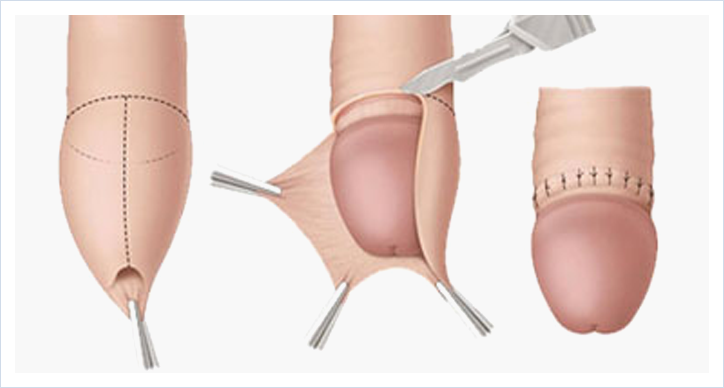
The foreskin is marked, removed, bleeding is controlled and the skin edges are closed—commonly with absorbable sutures. It allows direct adjustment to individual anatomy.
Educational illustration; not a promise of scar appearance or recovery.
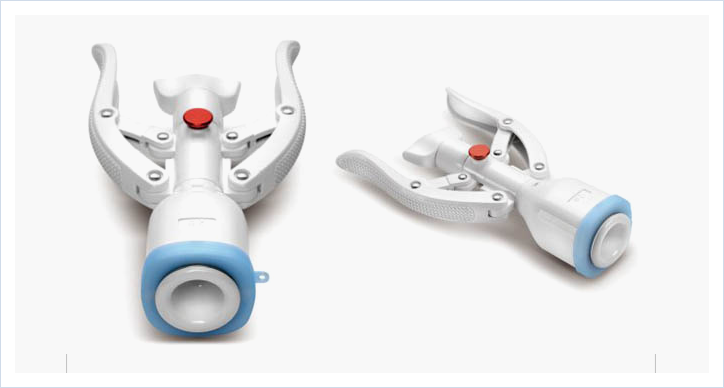
A single-use device cuts the foreskin and places a circular ring of staples. Correct sizing and patient selection are important; the device may not suit every scarred or anatomically complex foreskin.
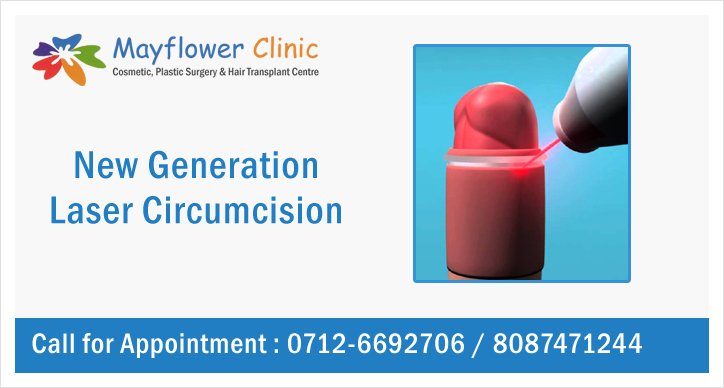
The term refers to the cutting or coagulation tool. It does not make circumcision scarless, risk-free or automatically superior. Closure, haemostasis, tissue handling and aftercare still matter.
Retractability, pain, tearing, urinary symptoms, discharge, recurrent balanitis and the effect on erections or sexual activity are reviewed privately.
The examination looks for scarring, lichen sclerosus, inflammation, short frenulum, lesions and the amount and quality of mobile skin.
Urine, blood glucose, infection tests or other investigations may be advised when symptoms or medical history suggest they are needed.
Blood thinners, diabetes medicines, allergies, supplements and previous bleeding problems must be discussed before surgery.
The surgeon explains foreskin-preserving choices when reasonable and makes clear that circumcision permanently changes appearance and sensation.
Work type, travel, exercise, sexual activity, follow-up access and the ability to manage wound care are considered before selecting a date.
Your reason for seeking treatment, symptoms, expectations, medical history and privacy concerns are discussed without judgement.
Dr. Shahane examines the foreskin and explains whether medical care, frenuloplasty, dorsal slit, preputioplasty or circumcision may be appropriate.
The permanent changes, risks, anaesthesia, medicines, fasting instructions when relevant, recovery restrictions and written estimate are reviewed.
The planned skin level and technique are confirmed. Local, regional or general anaesthesia is selected according to the agreed plan.
The selected procedure is personally performed by Dr. Pawan Shahane, with attention to tissue handling, haemostasis and balanced skin removal.
Pain control, dressing care, washing, clothing, activity limits, erections, warning signs and contact instructions are explained before discharge.
Follow-up checks wound healing, swelling, infection, staple or suture progress, urinary comfort and readiness to resume activity.
Recovery varies. The surgeon’s written instructions take priority over general timelines.
| Time | What may be expected | Typical guidance |
|---|---|---|
| First 24–48 hours | Soreness, mild oozing, swelling and sensitivity. Effects of anaesthesia may still be present. | Rest, use prescribed pain relief, follow dressing instructions, and do not drive after general anaesthesia until medically and legally fit. |
| Days 3–7 | Swelling and bruising may continue. Erections can feel uncomfortable. | Gentle walking, clean and dry wound care, loose or supportive underwear as advised, and avoid strenuous work. |
| Weeks 1–2 | Many patients return to desk work. Early sensitivity usually starts settling. | Avoid cycling, swimming, heavy lifting and sport until cleared—commonly for at least two weeks. |
| Weeks 3–6 | Absorbable sutures or staples progress, swelling reduces and the scar begins to soften. | Sexual activity is delayed until the wound is fully healed—commonly at least four weeks and sometimes longer. |
| After 6 weeks | The appearance and sensation continue to settle. Final scar maturation takes longer. | Review persistent swelling, pain, discharge, urinary difficulty or dissatisfaction rather than waiting indefinitely. |
Minor oozing can occur. Persistent bleeding may need urgent assessment and, occasionally, another procedure.
Redness, discharge, fever, wound opening or worsening pain may require antibiotics, wound care or further treatment.
Asymmetry, excess or insufficient skin removal, prominent scarring or dissatisfaction with appearance can occur and may lead to revision discussion.
The exposed glans is often very sensitive at first. Longer-term sensation and the movement of penile skin are permanently different.
Difficulty passing urine after surgery needs urgent review. Rarely, narrowing or injury involving the urinary opening may require treatment.
Individual risk depends on age, health, smoking, medicines and the anaesthetic plan. This is assessed before surgery.
Circumcision may make foreskin hygiene simpler and can reduce recurrent inflammation in appropriately selected patients. It is not a substitute for treatment of diabetes, dermatitis, infection or another underlying condition.
Research in specific populations shows partial reduction in acquisition of some infections, including heterosexually acquired HIV. Circumcision is not complete protection: condoms, testing, vaccination where appropriate, partner communication and medical care remain necessary.
Assessment and planning are led by Dr. Pawan Shahane, with attention to anatomy, skin handling and scar placement.
Male intimate concerns are handled privately, with consent before examination and discreet communication options.
The discussion includes non-surgical care and foreskin-preserving alternatives where clinically reasonable.
Written wound-care instructions, warning signs and planned follow-up are part of the procedure pathway.
Procedure-specific quotes are published only when the exact source and consent status are verified. For current independent feedback, view the clinic’s Google Business Profile or the patient-testimonials page.
Medically reviewed: 4 August 2026. Website information should be reviewed again if clinical guidance or clinic protocols change.
A consultation can clarify whether circumcision is appropriate, whether a foreskin-preserving option is reasonable, and which technique fits your anatomy and recovery needs.


Case of the Month: Grade 3 Gynecomastia…

The Science of Facial Aging: Why Wrinkles,…