0712 6692706 / 0712 3551170 / +91 8087471244   |   contact@mayflowerclinic.in

M.Ch. Plastic Surgery · Nagpur

Stapler Circumcision in Nagpur — Device-Based Technique, Private Assessment and Structured Aftercare

A clear guide to circular stapler or ZSR circumcision: how the device works, when it may be considered, when another method may be safer, what happens to the staples and how recovery is monitored.

Private, respectful consultation Male intimate concerns are discussed confidentially. Examination is clinically focused, consent-led and limited to what is needed for diagnosis and planning. A chaperone can be arranged.
Dr. Pawan Shahane
Reviewed by Dr. Pawan Shahane, M.Ch. Plastic Surgery 21+ years surgical practice · Ex-Asst. Prof. GMC Nagpur · IAAPS Member · 9 yrs ThreeBestRated Nagpur
Private male patient consultation with Dr. Pawan Shahane at Mayflower Clinic Nagpur
Mayflower Clinic · Dhantoli Private assessment · device suitability · structured follow-up
Consultation image used for privacy. No intimate patient photograph is displayed on this page.
21+ YearsSurgical practice
M.Ch.Plastic Surgery
Private CareConsent-led assessment
Personal PlanTechnique selected after examination
Common questions about stapler circumcision

Four answers before you compare techniques

Tap a question
Is stapler circumcision the same as laser? No. A circular stapler cuts a planned foreskin ring and approximates the wound with clips or staples. Laser-assisted circumcision uses an energy tool for cutting or coagulation and needs its own closure and aftercare plan.
Clinical perspective

The stapler is a device—not a shortcut around assessment.

“The right device size, foreskin condition, frenulum position, infection status and aftercare plan matter as much as the instrument. A conventional technique remains the better choice for some patients.”
Dr. Pawan Shahane, M.Ch. Plastic Surgery · Founder, Mayflower Clinic, Nagpur
Clear definition

What is stapler circumcision?

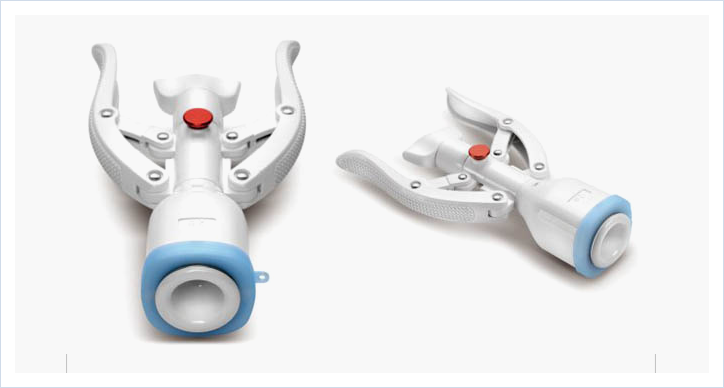
Stapler circumcision is a device-assisted method of removing the foreskin. A correctly sized circular disposable instrument is positioned so an inner component protects the glans. When the device is activated, it removes a planned ring of foreskin and applies a circular line of small staples or clips to bring the wound edges together.

The word “stapler” describes how the tissue is cut and approximated. It does not decide whether circumcision is necessary. The first questions remain: What is causing the symptom? Is the foreskin scarred or inflamed? Could a foreskin-preserving treatment be reasonable? Is the anatomy suitable for a circular device?

Stapler circumcision may be discussed for adults and selected older adolescents when circumcision has already been chosen and examination confirms that the device can be used safely. The procedure is personally planned and performed by Dr. Pawan Shahane according to the indication and anatomy.

Concerns that may lead to assessment

  • Symptomatic phimosis or a tight foreskin causing pain, tearing or hygiene difficulty
  • Repeated balanitis or balanoposthitis after the acute inflammation has been treated
  • Foreskin scarring where circumcision is clinically appropriate
  • Recurrent foreskin problems after conservative treatment
  • An informed personal, cultural or religious request after counselling
Important distinction: the broad adult circumcision page explains indications and alternatives. This page focuses specifically on the circular stapler technique and its follow-up requirements.
Educational illustration for ZSR stapler circumcision at Mayflower Clinic Nagpur
Educational illustration only. Device design, size, positioning and operative steps vary. It does not replace examination or informed consent.
Device suitability

When a stapler may—or may not—fit the plan

Device circumcision requires a compatible size, suitable tissue and a clear circumferential plan. A technique should never be selected only because it sounds newer or quicker.

May be considered

When circumcision is indicated or personally chosen, anatomy is suitable, the device size fits, active infection is absent and the foreskin can be positioned safely.

!

May need treatment first

Active balanitis, marked swelling, discharge, uncontrolled diabetes, anticoagulant issues or another medical problem may require treatment or optimisation before surgery.

May need another method

Dense adhesions, thick or scarred tissue, concealed or buried penis, significant anatomical difference, prior surgery or unsuitable device size may favour conventional reconstruction.

Frenulum assessment

The frenulum and ventral skin are examined because their position, tightness or scarring may affect the device plan and whether an additional step is required.

🩸

Bleeding-risk review

Blood-thinning medicines, bleeding disorders, supplements and medical illnesses must be disclosed. Medicines should not be stopped without the prescribing clinician’s advice.

Alternatives still matter

Depending on the diagnosis, observation, prescribed topical treatment, infection treatment, frenuloplasty, preputioplasty or conventional circumcision may be discussed.

Evidence in context

What comparative research suggests

Randomised trials and meta-analyses of disposable circumcision devices report shorter operating time and less blood loss on average than conventional circumcision. Some analyses also report lower early pain scores and favourable wound appearance.

Those averages do not guarantee an individual result. Studies include different devices, surgical settings and follow-up protocols, and much of the published evidence comes from specific regional populations. Technique selection still depends on anatomy and indication.

Potential efficiency advantageThe cut-and-approximation step occurs in one device action, which can shorten the operative portion in suitable cases.
Device-specific follow-upStaples or clips do not always detach on their own. Residual or uncomfortable staples may need planned removal.
Cost trade-offThe single-use device adds a consumable cost, which is considered alongside anaesthesia, facility and follow-up requirements.
No “scarless” promiseEvery circumcision creates a healing line. Swelling, scar maturation, contour and sensation vary between patients.
Technique comparison

Stapler, conventional and laser-assisted circumcision

These terms describe tools or operative approaches. None is automatically the right method for every foreskin problem.

MethodHow tissue is treatedHow the wound is managedPoints to discuss
Circular staplerA single-use circular device removes a planned foreskin ring.Small circumferential staples or clips approximate the edges.Device size, retained staples, clip removal, consumable cost and anatomy suitability.
Conventional surgicalThe surgeon removes the foreskin with a planned sleeve, dorsal-slit-based or other surgical technique.Bleeding is controlled and the skin is commonly closed with absorbable sutures.Allows direct tailoring when scarring, adhesions, previous surgery or anatomical variation is present.
Laser-assistedA laser or energy tool may be used for cutting and coagulation.A separate closure method is still usually required.The word “laser” does not mean no pain, no scar, no bleeding or instant recovery.
ℹ️
The method can change after examination.A patient who requests stapler circumcision may be advised to use another technique when tissue quality, adhesions, inflammation, device sizing or previous surgery makes direct surgical control preferable.
Patient journey

How stapler circumcision is planned and performed

1
Private consultation

Clarify the reason for surgery

Symptoms, previous treatment, personal goals, medical history and expectations are discussed without judgement.

  • Phimosis, infection, scarring or personal request
  • Medication and bleeding-risk review
  • Alternatives and realistic limitations
2
Examination

Assess anatomy and tissue

The foreskin, glans, frenulum, urinary opening and penile position are assessed to identify infection, adhesions, scarring or an anatomical reason to alter the plan.

3
Technique decision

Confirm device suitability and size

A circular device must fit correctly. The proposed skin removal, frenulum management and fallback conventional plan are explained before consent.

4
Before surgery

Prepare safely

Fasting, medicines, hygiene, transport and anaesthesia instructions are individualised. Active infection or uncontrolled medical issues may postpone surgery.

5
Procedure day

Protect, position, cut and approximate

After anaesthesia and sterile preparation, the protective component and foreskin are positioned. The surgeon confirms alignment before activating the device.

6
Safety check

Inspect the wound and dressing

The device is removed, the cut edge and staples are inspected, bleeding is controlled and a suitable dressing is applied.

7
Follow-up

Monitor healing and staples

Written instructions cover hygiene, pain relief, activity, expected appearance and warning signs. Retained staples are reviewed rather than pulled at home.

Recovery timeline

What recovery may look like

These are broad guideposts—not deadlines. Diabetes, infection, smoking, tissue quality, work demands and staple behaviour can lengthen recovery.

Day 0

Observation and discharge

Urination, pain, bleeding and dressing are checked. Arrange transport if advised after anaesthesia or sedation.

Days 1–3

Swelling and tenderness

Mild bruising, swelling, sensitivity and small spotting can occur. Use medicines and dressing instructions exactly as prescribed.

Days 4–7

Light routine

Desk work may be possible when comfortable. Avoid friction, tight clothing, cycling, running, gym activity and heavy lifting.

Around day 10 onward

Staples may loosen

Some staples begin to detach as swelling settles. Others can remain longer and may need review or planned removal.

Weeks 2–3

Progressive wound healing

Swelling and sensitivity usually continue to improve. Do not judge the final contour while the wound is still maturing.

Weeks 4–6+

Return after clearance

Sex and masturbation resume only after complete healing, staple management and clinical clearance. Some patients need longer.

🚨
Seek prompt medical reviewPersistent bleeding, inability or marked difficulty passing urine, rapidly increasing swelling, fever, worsening redness or discharge, severe increasing pain, dark or pale tissue, wound opening or displaced staples/device components require urgent assessment.
Risks and limitations

What informed consent should include

🩸

Bleeding or haematoma

The circular staple line reduces bleeding in many cases, but bleeding can still occur during surgery or afterwards and may require treatment.

🦠

Infection or delayed healing

Increasing redness, pus, fever, foul discharge or worsening pain need review. Diabetes, smoking and active inflammation can affect healing.

Retained or embedded staples

Not every staple detaches spontaneously. Retained, painful or embedded staples may need clinician removal.

Wound separation

Partial opening can occur, particularly with swelling, infection, friction or premature activity. Management depends on its extent.

Contour or scar concern

Asymmetry, an irregular line, excess or insufficient skin removal, thick scarring or dissatisfaction with appearance can occur.

Sensation changes

Early hypersensitivity is common. Longer-term touch, movement and sexual sensation vary and cannot be promised in advance.

🚻

Urinary difficulty

Marked swelling, dressing pressure or another complication can make urination difficult. Inability to pass urine requires urgent help.

Anaesthetic risk

Local, regional and general anaesthesia have different side-effect and risk profiles, discussed according to the selected plan.

Revision may be needed

Occasionally, persistent scar, skin imbalance, adhesions, wound issues or dissatisfaction may lead to further treatment or revision surgery.

Patient feedback and privacy

Technique decisions should not be based on testimonials.

Mayflower Clinic publishes only verified or consented feedback. This page does not insert an unrelated procedure review as evidence that a stapler is suitable for you.

Read Patient Feedback Policy
No anonymous outcome promisesIndividual healing, scar behaviour and sensation vary.
No intimate images without explicit consentPrivacy and the agreed scope of use are respected.
No technique selected from an online reviewDiagnosis, examination and informed consent come first.
No guaranteed recovery dateWork, exercise and sexual-activity guidance follows actual wound progress.
Questions patients often ask

Stapler circumcision FAQs

What is stapler circumcision?
Stapler circumcision uses a single-use circular device to remove a planned ring of foreskin and approximate the wound edges with small staples or clips. It is one method of circumcision, not a separate indication for surgery.
How does a circular circumcision stapler work?
A protective inner component is positioned over the glans and the foreskin is placed around it. After position and device size are checked, activation cuts the planned foreskin ring and applies circumferential staples or clips. Exact device steps vary.
Is stapler circumcision the same as ZSR circumcision?
ZSR is commonly used as a market or device term for circular stapler circumcision. Different disposable devices may have different designs, sizes and instructions, so the exact product and technique should be discussed during consultation.
Is stapler circumcision suitable for every adult?
No. Suitability depends on the reason for circumcision, penile anatomy, device size, infection, scarring, adhesions, foreskin thickness, bleeding risk and surgeon assessment. Conventional surgery may be more appropriate in some cases.
Is stapler circumcision better than conventional circumcision?
Comparative studies report shorter operating time and less blood loss on average with disposable stapler devices, but individual outcomes vary and device-specific issues can occur. The more suitable method depends on anatomy, indication and clinical judgement.
Is stapler circumcision the same as laser circumcision?
No. A stapler is a circular cutting-and-closure device. Laser-assisted circumcision uses an energy tool for cutting or coagulation and usually requires a separate closure plan. Neither label automatically makes a technique suitable for every patient.
What anaesthesia is used for stapler circumcision?
Local, regional or general anaesthesia may be considered depending on age, medical history, comfort, anatomy, facility and the planned technique. The anaesthesia plan is confirmed after assessment.
How long does stapler circumcision take?
The device portion is often shorter than conventional circumcision in comparative studies, but there is no fixed time for every patient. Preparation, anaesthesia, positioning, bleeding checks, dressing and recovery make the total visit longer.
Do all circumcision staples fall off by themselves?
No. Many staples or clips loosen as swelling settles and healing progresses, but some may remain and require review or removal. Do not pull them off yourself unless specifically instructed by the surgeon.
How long does stapler circumcision healing take?
Swelling, bruising and tenderness commonly improve during the first one to two weeks. Complete wound healing often takes around four to six weeks and sometimes longer. Staple status and individual healing influence follow-up.
When can I return to work and exercise?
Light desk work may be possible after several days to about one week when comfortable. Physical work, cycling, running, gym activity and contact sport usually need a longer restriction based on wound progress and the surgeon’s advice.
When can sex or masturbation resume after stapler circumcision?
Sex and masturbation are generally avoided for at least four weeks and until the wound is fully healed, staples have been managed and the surgeon has confirmed that recovery is satisfactory. Some patients need longer.
Will sensitivity feel different after stapler circumcision?
The glans remains exposed after circumcision, so early hypersensitivity and a different pattern of skin movement are expected. Longer-term sensation varies between individuals and cannot be predicted precisely.
What risks should I understand before stapler circumcision?
Risks include bleeding, infection, swelling, pain, wound separation, retained or embedded staples, staple-related irritation, asymmetry, removal of too much or too little skin, scarring, altered sensation, urinary difficulty, anaesthetic complications and possible revision.
When should I seek urgent medical help after stapler circumcision?
Seek urgent help for bleeding that does not stop, inability or marked difficulty passing urine, rapidly increasing swelling, fever, worsening redness or discharge, severe increasing pain, dark or pale tissue, wound opening or concern that the device or staples have displaced.
How is the cost of stapler circumcision decided?
Cost depends on the indication, disposable device and size, anaesthesia, facility, tests, medicines, dressings and follow-up needs. A written estimate is provided after examination and planning.
Sources and medical review

References used for patient education

Clinical decisions are based on in-person assessment. References support general education and do not constitute a personal treatment recommendation.

NHS — CircumcisionGeneral indications, recovery expectations, activity restrictions and urgent warning signs.
Prospective randomised adult trial — Circular stapler versus conventional circumcisionComparative operative time, blood loss, pain, complications, cost and residual-staple follow-up.
Systematic review and meta-analysis — Disposable circumcision suture devicesComparative outcomes across randomised trials, with study and device limitations.
Network meta-analysis — Circumcision devices versus standard surgeryComparative evidence across techniques and the need for further multicentre research.
World Health Organization — Prevention and management of rare urethral complicationsTechnical safety considerations for device-based circumcision programmes.

Medically reviewed: 4 August 2026 · Reviewer: Dr. Pawan Shahane, M.Ch. Plastic Surgery

Private consultation in Nagpur

Discuss whether stapler circumcision is suitable for your anatomy and concern

A consultation can clarify the diagnosis, alternatives, device size, anaesthesia, expected staple follow-up, recovery restrictions and written cost estimate before you make a decision.

Medical Disclaimer: All surgical procedures carry inherent risks, and individual outcomes vary based on anatomy, skin type, and healing biology. Surgical results are not guaranteed. Formal in-person consultation with Dr. Pawan Shahane is required before any surgical decision. This page is for general educational purposes only and does not constitute medical advice or a treatment recommendation.