
Symptomatic phimosis
A foreskin that cannot retract and causes pain, tearing, hygiene difficulty or other symptoms may need treatment. Cause and scarring pattern matter.

“Laser circumcision” describes the surgical tool used for part of circumcision. It does not automatically mean painless, bloodless, scarless, stitchless or better for every patient. The first decision is whether circumcision is appropriate; the second is which technique fits your anatomy and reason for treatment.


These are general planning ranges, not promises. Your recovery depends on age, indication, inflammation or scarring, the exact technique, anaesthesia and individual healing.
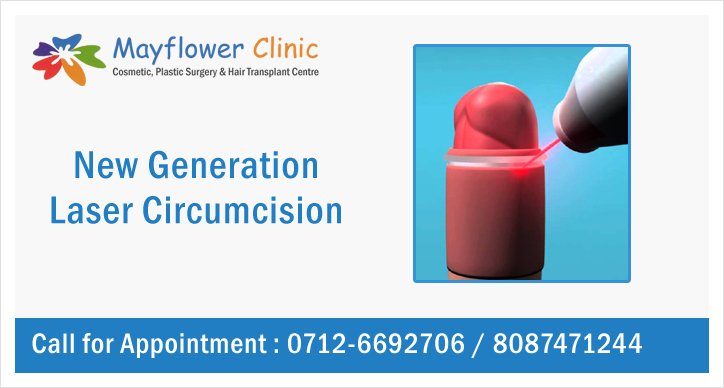
During circumcision, the surgeon removes the foreskin and creates a circular wound that must heal. In laser-assisted techniques, energy may be used for cutting and haemostasis. Published research commonly discusses CO₂ laser techniques, but the exact equipment used in your own operation should be confirmed during consultation rather than assumed from the page title.
The laser does not make anatomy irrelevant. The surgeon must still decide how much skin to remove, protect the glans and urethral opening, manage the frenulum where relevant, control bleeding, check symmetry and complete an appropriate closure.
Patients comparing different marketing terms for laser-assisted circumcision can also read our New Generation Laser Circumcision guide , which explains the terminology without assuming that “newer” automatically means safer or superior.
A tight foreskin, recurrent irritation or concern about appearance can have different causes. Examination helps determine whether circumcision is appropriate and whether a foreskin-preserving alternative is reasonable.
A foreskin that cannot retract and causes pain, tearing, hygiene difficulty or other symptoms may need treatment. Cause and scarring pattern matter.
Repeated balanitis or balanoposthitis may lead to discussion of circumcision after infections, skin conditions and hygiene factors are assessed.
Dense scarring—such as in selected cases of lichen sclerosus/BXO—can make foreskin-preserving treatment less suitable and may favour full circumcision.
Pain or tearing can arise from foreskin tightness, a short frenulum or inflammation. A frenulum problem may need a different operation rather than automatic circumcision.
Adults may request circumcision for personal, cultural or religious reasons. Informed consent should still cover irreversible anatomical change, recovery and risks.
If the issue follows a previous circumcision, a revision assessment may be more appropriate than repeating a standard technique.
Revision circumcision guide →Some comparative studies of CO₂-laser circumcision have reported shorter operating time, less wound irritation or favourable early cosmetic ratings. However, the evidence is not strong enough to turn the word “laser” into a universal superiority claim. A 2022 systematic review found no statistically significant difference in several outcomes including operative time, bleeding, infection, wound dehiscence and reoperation.
For a patient, the practical question is therefore: which method is safest and most appropriate for my anatomy and indication, in the hands of the surgeon performing it?
These labels describe different ways of performing the operation. They should not replace individualized planning.
| Feature | Laser-assisted circumcision | Conventional circumcision | Stapler circumcision |
|---|---|---|---|
| Main method | Energy tool may assist cutting and haemostasis. | Surgical excision with standard haemostasis and closure. | Circular device removes a foreskin ring and approximates wound with staples/clips. |
| Closure | Depends on technique; sutures or another closure may still be needed. | Commonly absorbable sutures. | Device staples/clips; retained staples may need follow-up. |
| Best for everyone? | No. | No. | No. |
| Potential advantage | Energy may assist haemostasis; some studies report shorter operating time or less irritation. | Flexible, familiar surgical technique that can be adapted to anatomy. | Some trials report shorter operating time and less blood loss. |
| Specific limitation | Laser label can be over-marketed; general surgical risks remain and energy use requires tissue protection. | Operating time and bleeding control depend on anatomy and technique. | Correct device size and anatomy are essential; retained/embedded staples can require review. |
| Decision | Choose after assessment of indication, scarring, anatomy, medicines, infection, surgeon experience, anaesthesia and patient preferences. | ||
Depending on the diagnosis, age and degree of scarring, the consultation may include non-operative or foreskin-preserving options. The correct alternative is not chosen online.
Symptoms, duration, previous infections, scarring, diabetes or other medical conditions, medicines, allergies and prior penile procedures are reviewed. Examination distinguishes foreskin tightness from frenulum or inflammatory problems.
Dr. Pawan Shahane discusses conventional, device-assisted or energy-assisted options only when relevant to the patient. The proposed amount of foreskin removal, closure plan, anaesthesia and expected recovery are explained.
Fasting instructions, medicines affecting bleeding, diabetes control, infection treatment and required investigations are individualized. Do not stop prescribed anticoagulants or antiplatelet medicines without medical advice.
After anaesthesia, the surgical markings and anatomy are rechecked. The foreskin is removed using the selected technique, bleeding is controlled and the wound is closed appropriately. “Laser” does not remove these surgical steps.
Some swelling, tenderness, bruising and glans sensitivity are expected. Written instructions cover dressing care, hygiene, prescribed pain relief, clothing, erections and activity restrictions.
Clinical review focuses on bleeding, infection, wound separation, scar progress, urinary comfort and whether any suture, dressing or device-related issue requires attention.
Desk work often resumes before strenuous exercise. Sexual activity is delayed until the wound is fully healed and the surgeon confirms that the circumcision line is ready for friction and stretching.
Individual instructions take priority over a generic timeline.
Swelling, tenderness and sensitivity are expected. Follow dressing, pain-relief and hygiene instructions. Persistent bleeding or urinary difficulty needs prompt review.
Light activity generally increases as pain and swelling settle. Many adults plan roughly one week away from work, depending on job demands.
The incision continues to heal. Scar firmness, residual swelling or sensitivity can persist. Avoid friction, cycling, strenuous training and sexual activity until advised.
Many wounds are substantially healed by this stage, but scar maturation continues for months. Sex or masturbation should resume only after full healing and clinical clearance.
Read the broader Patient Care Guide for general surgical recovery principles and warning signs.
Potential complications must be discussed even when the surgery is elective and technically straightforward.
A responsible quote is provided after examination. Cost can vary with the reason for surgery, complexity, anaesthesia, facility requirements, investigations, medicines, consumables and follow-up needs.
Mayflower Clinic should provide a transparent written estimate rather than using a low headline price to imply that every patient needs the same operation or device.
The current verified review inventory does not provide a laser-circumcision-specific verbatim quotation. To preserve review integrity, this page identifies verified clinic reviewers and links to the original Google source rather than assigning them an intimate procedure.
Verified Mayflower Clinic Google reviewer inventory. Procedure and outcome are not inferred on this page.
Verified Mayflower Clinic Google reviewer inventory. Procedure and outcome are not inferred on this page.
Verified Mayflower Clinic Google reviewer inventory. Procedure and outcome are not inferred on this page.
The visible questions below match the FAQ schema above.
These sources support general education. They do not determine which technique is right for an individual patient.
Medically reviewed: 19 August 2026 · Reviewer: Dr. Pawan Shahane, M.Ch. Plastic Surgery
If you are considering laser circumcision, bring your symptoms, medical history and questions. Dr. Pawan Shahane can assess whether circumcision is appropriate and explain the technique, alternatives, anaesthesia, recovery, risks and cost factors relevant to you.

Case of the Month: Grade 3 Gynecomastia…

The Science of Facial Aging: Why Wrinkles,…