0712 6692706 / 0712 3551170 / +91 8087471244   |   contact@mayflowerclinic.in

M.Ch. Plastic Surgery · Private consultation

Testis Implant Surgery in Nagpur — Reconstructing Contour, Not Function.

A testicular prosthesis may restore scrotal volume and visual balance after a testicle is absent or has been removed. It does not replace testosterone production, sperm production or fertility. The decision is personal and should follow careful counselling about size, feel, position, risks and alternatives.

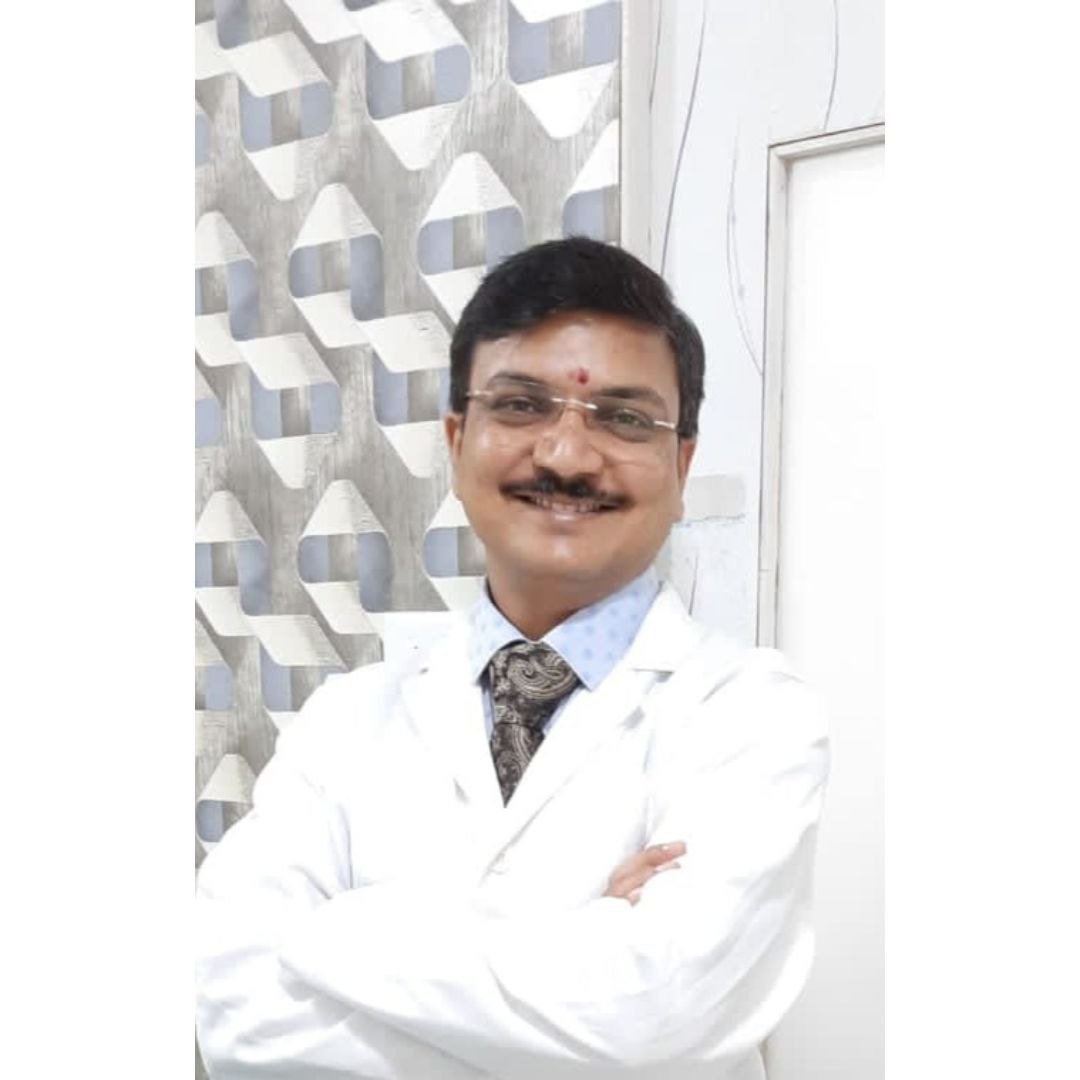
Dr. Pawan Shahane, M.Ch. Plastic Surgery
Reviewed by Dr. Pawan Shahane, M.Ch. Plastic Surgery 21+ years surgical practice · Ex-Asst. Prof. GMC Nagpur · IAAPS Member · personally performed surgery
Privacy-first male reconstructive careConsultations are conducted discreetly. Examination is consent-led and only when clinically necessary. Do not send intimate photographs through ordinary website forms.
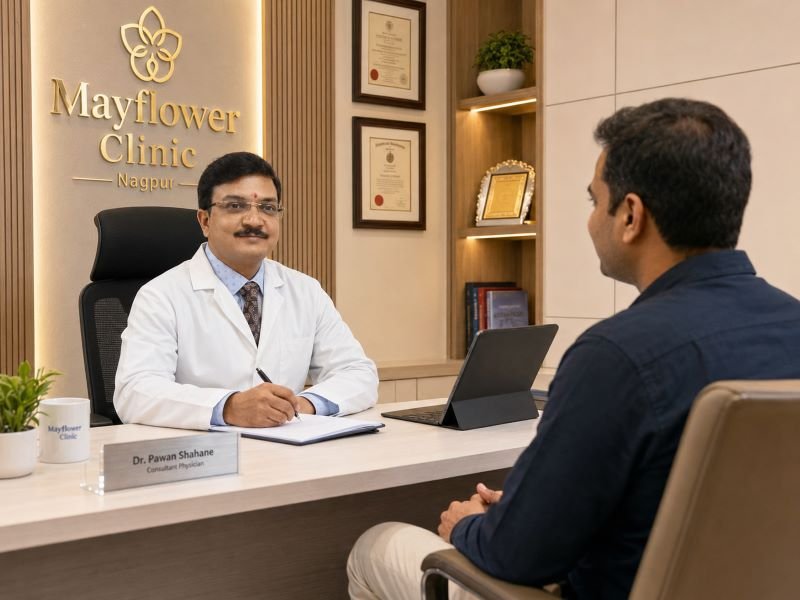
Private male patient consultation with Dr. Pawan Shahane at Mayflower Clinic Nagpur
Mayflower ClinicDhantoli, Nagpur
21+Years surgical practice
M.Ch.Plastic Surgery
PrivateConsent-led consultation
Doctor-ledPersonally planned care
Patient guide

Common questions about testis implants

Mayflower Clinic · Nagpur
A testicular prosthesis is placed in the scrotum to restore missing volume and contour. It is a reconstructive and appearance-related implant, not a functioning testicle.

The goal is proportion and personal comfort—not a promise of a perfect match.

“A testicular prosthesis can restore scrotal contour, but it cannot reproduce every feature of natural tissue. Good planning begins with honest discussion about what the implant can and cannot achieve.” — Dr. Pawan Shahane, M.Ch. Plastic Surgery · Founder, Mayflower Clinic, Nagpur
Understanding the procedure

What is testicular implant surgery?

A testis implant—more accurately called a testicular prosthesis—is a specially shaped medical device placed inside the scrotum after one or both testicles are absent. It may be considered after an orchiectomy, trauma, torsion, congenital absence, severe testicular atrophy or a previous operation.

The operation is mainly reconstructive and appearance-related. It may help some men feel more comfortable with scrotal symmetry or body image, but choosing no implant is also a valid option. The implant does not treat cancer, erectile dysfunction, infertility or low testosterone.

When the missing testicle is related to cancer, torsion, infection or another urological condition, the underlying diagnosis and treatment plan take priority. Implant planning may need coordination with the treating urologist or oncologist.

Missing scrotal volume after removal of one testicle
Congenital absence or a testicle that never developed normally
Visible asymmetry after trauma, torsion or previous surgery
Delayed reconstruction years after the original operation
Clear expectations

What a testicular prosthesis can—and cannot—do

This distinction is central to informed consent.

What it may help with

  • Restoring volume to an empty side of the scrotum
  • Improving visual balance under clothing and in private
  • Addressing a personal concern after loss or absence of a testicle
  • Completing reconstruction during the same operation or later

What it does not do

  • Produce testosterone or other hormones
  • Produce sperm or restore fertility
  • Treat erectile dysfunction or improve erection quality
  • Exactly match natural size, softness, movement or position
Suitability

Who may consider a testis implant?

Suitability depends on the reason for testicular absence, the health and capacity of the scrotal tissues, infection risk, wider treatment needs and the patient’s expectations.

After orchiectomy

Following removal for cancer, a non-viable testicle, pain or another medically indicated reason—after the main treatment plan is clear.

After torsion or trauma

When injury or loss of blood supply has resulted in removal or marked atrophy of a testicle.

Congenital absence

For selected adolescents or adults born without a testicle or with a testicle that did not develop normally.

Delayed reconstruction

Years after the original surgery, provided the scrotal tissues can safely accommodate an implant.

Revision assessment

For concerns about an older implant’s position, firmness, size, discomfort or device integrity.

Realistic expectations

For patients who understand that symmetry may improve but an exact natural match is not possible.

!

When surgery may need to wait

Active infection, an unhealed wound, poor scrotal skin, unresolved cancer treatment, uncontrolled medical illness, smoking-related healing risk or expectations of hormone, fertility or sexual-function improvement may make immediate implantation unsuitable.

Individualised planning

How the implant and timing are chosen

There is no single “best” size or technique for every patient. Planning aims for a safe fit and a reasonable relationship with the other side.

Size and symmetry

The natural testicle, scrotal capacity and available prosthesis sizes guide selection. A perfect mirror image is not promised.

Material and device

Available prostheses differ by shell, filling, firmness and size. The selected device must be appropriate, available and discussed before consent.

Immediate or delayed

Placement may occur during testicle removal or later. Infection risk, diagnosis, tissue health and patient readiness guide the choice.

Incision route

The approach may be through the groin or another carefully selected route, especially when previous scars or tissue quality affect planning.

Position and fixation

The implant may be stabilised to reduce upward migration or rotation. Some patients can feel a fixation point through the skin.

Multidisciplinary care

Urology, oncology, endocrinology or fertility input may be advised when the underlying condition requires it.

Surgical journey

From private consultation to follow-up

The sequence below is a general guide. Your actual plan may differ.

1
First visit

Confidential consultation

Discuss the reason for the missing testicle, previous operations, current symptoms, expectations and whether an implant is genuinely desired.

  • Medical and surgical history
  • Medication, smoking and allergy review
  • Questions about hormones, fertility or sexual function addressed separately
2
Assessment

Examination and tissue evaluation

With consent, the surgeon assesses scrotal skin, scar tissue, available space, the other testicle and any signs of infection or unresolved disease.

  • One- versus two-sided planning
  • Existing scar and skin quality
  • Need for ultrasound, blood tests or specialist referral
3
Decision stage

Implant and timing discussion

Potential size, firmness, position, immediate versus delayed placement, alternatives and the possibility of future revision are explained.

  • No-implant option remains valid
  • Exact symmetry cannot be guaranteed
  • Device availability and cost factors clarified
4
Before surgery

Fitness, consent and anaesthesia

Routine investigations and anaesthetic assessment are arranged according to age, health and the planned procedure.

  • Blood-thinner instructions
  • Infection prevention plan
  • Fasting and transport advice
5
Procedure day

Prosthesis insertion

Under anaesthesia, the selected implant is positioned within the scrotum through a planned incision. Fixation may be used to reduce migration.

  • Careful pocket creation
  • Bleeding control and wound closure
  • Dressing and supportive garment advice
6
Early recovery

Swelling and wound care

Bruising, swelling, tightness and discomfort are expected. Medication, wound care and activity restrictions are individualised.

  • Supportive underwear if advised
  • No heavy lifting or strenuous activity
  • Urgent contact for fever, worsening redness, drainage or severe pain
7
Follow-up

Position, comfort and healing review

Follow-up checks wound healing and implant position. Long-term concerns about pain, firmness, asymmetry or movement should be reviewed rather than ignored.

  • Return-to-work and exercise clearance
  • Scar and implant-settling guidance
  • Revision considered only when clinically appropriate
Recovery guide

What recovery may look like

Recovery depends on whether implantation is combined with another operation, tissue condition and the demands of your work.

First 48–72 hours

Protect and support

Rest, use prescribed medication, keep the wound dry as advised and expect swelling or bruising.

First 1–2 weeks

Light routine only

Walking increases gradually. Work return depends on pain, wound condition and whether the job is sedentary or physical.

Following weeks

Implant settles

Swelling reduces gradually. Do not forcefully manipulate the implant unless specifically instructed by your surgeon.

Around 6 weeks

Activity review

Heavy lifting, sports and strenuous exercise are commonly restricted for several weeks and resumed only after clearance.

Contact the clinic urgently for

Fever, increasing redness, foul or pus-like drainage, rapidly expanding swelling, severe or worsening pain, wound opening, a suddenly displaced implant, difficulty passing urine or any symptom that concerns you.

Informed consent

Risks, limitations and possible revision

Most early swelling and bruising settle, but an implanted device can create short- or long-term problems. Individual risk must be discussed during consultation.

Swelling, bruising and discomfort

These are expected early and may be more pronounced after combined or revision surgery.

Size, firmness or height mismatch

The prosthesis may feel firmer, sit higher or differ in size from the natural side.

Bleeding or haematoma

Blood collection may require treatment and, uncommonly, another operation.

Infection

Infection may need antibiotics, drainage or removal of the prosthesis.

Migration, rotation or high position

The implant may move, “tumble” or settle higher than desired despite careful placement.

Pain or palpable fixation

Persistent discomfort or feeling a fixation point may lead to further assessment.

Wound problems or extrusion

Poor healing can expose the implant and may require removal, especially when tissue is scarred or infected.

Device damage or future revision

Leakage, rupture, wear, dissatisfaction or anatomical change may lead to replacement or removal.

The BAUS patient leaflet states that an implant can never be an exact match and notes that up to 1 in 5 men may be dissatisfied with the final cosmetic appearance. This figure is not a prediction of your individual outcome; it reinforces the need for realistic counselling.
Avoiding confusion

Testicular implant versus penile implant

The names sound similar, but they address entirely different concerns.

Testicular prosthesis

  • Placed in the scrotum
  • Replaces the appearance of a missing testicle
  • Does not produce hormones or sperm
  • Does not create an erection

Penile implant

  • Placed within the penis
  • Used for selected men with erectile dysfunction
  • Does not replace a missing testicle
  • Requires separate urological assessment and counselling

Read about penile implant surgery →

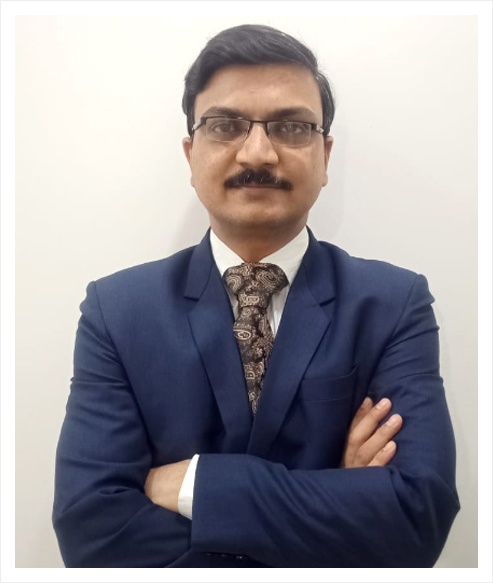
Dr. Pawan Shahane M.Ch. Plastic Surgery at Mayflower Clinic Nagpur
Doctor-led planning

Why detailed counselling matters for an implant procedure

Testicular prosthesis surgery is not simply about inserting the largest available implant. The scrotal tissues, previous scar, position of the other testicle, infection risk, expected firmness and the possibility of later revision all need discussion.

Dr. Pawan Shahane personally reviews the reconstructive goal and whether the procedure is within the appropriate scope of plastic surgery. When the underlying condition needs urology, oncology, hormone or fertility input, referral or coordinated care is advised.

M.Ch. Plastic Surgery
Ex-Assistant Professor
IAAPS Member
Private, consent-led care
View Dr. Shahane’s profile
Patient experiences

What patients say about communication and surgical care

Transparency note: The verified comments below relate to general or other-procedure care at Mayflower Clinic. They are not testicular implant outcome claims.
★★★★★
“Good experience. Highly skilled surgeon. Post op care and consultation was also done nicely. Husband and wife make a good team! Thanks”
M
Mahika GoelVerified patient review · general surgical care
★★★★★
“The surgery was really good and the doc is always there to help. The surgery went amazing and i have similar forearms. Thank you so much doctor. Really grateful”
D
Dhanashree SadawartiVerified patient review · forearm surgery care
★★★★★
“Then i meet sir for plastic surgery. He explained me everything. I go for surgery and now , my eye is free. I am looking good. I am very much happy. I recommend him for face scar surgery. Thanks dr Shahane.”
R
Rajendra UkeyVerified patient review · facial scar care
Questions patients often ask

Testis implant surgery FAQs

These answers are general education, not a personal recommendation.

What is a testis implant?
A testis implant, also called a testicular prosthesis, is a device placed in the scrotum to replace the appearance and volume of a missing testicle.
Does a testicular prosthesis produce testosterone or sperm?
No. A prosthesis is cosmetic and reconstructive only. It does not produce hormones, sperm or fertility. Hormone or fertility concerns require separate assessment.
Who may consider testis implant surgery?
It may be considered after testicular removal, trauma, torsion, congenital absence, severe atrophy or an earlier operation, provided the tissues are healthy and expectations are realistic.
Can the implant be placed at the same time as testicle removal?
In selected cases it can be placed during the same operation, while in others delayed placement is safer or preferred. Timing depends on diagnosis, infection risk, tissue condition and the wider treatment plan.
Will the implant feel exactly like the other testicle?
No implant can exactly reproduce natural tissue. The aim is a reasonable match in size, position and contour, but differences in firmness, height and movement may remain.
Is testis implant surgery the same as penile implant surgery?
No. A testicular prosthesis restores scrotal contour. A penile implant is a different device used for selected men with erectile dysfunction.
What anaesthesia is used for testicular prosthesis insertion?
General or regional anaesthesia may be considered. The safest option is decided after medical and anaesthetic assessment.
How long does the operation take?
Many straightforward procedures take roughly 45 to 90 minutes, although operating time varies with previous surgery, scarring, whether one or both sides are treated and the chosen approach.
What is recovery like after testis implant surgery?
Swelling, bruising and discomfort are expected early. Light routine resumes gradually, while lifting, sports and strenuous exercise remain restricted until healing and implant position are reviewed.
What are the main risks of a testicular implant?
Risks include bleeding, infection, wound problems, pain, firmness or size mismatch, a high or shifted implant, migration, device damage, dissatisfaction and possible revision or removal.
Can a testicular implant be replaced or removed later?
Yes. Revision, size change or removal may be considered for infection, pain, malposition, device problems or dissatisfaction, but another operation carries its own risks.
How is privacy protected during consultation?
Consultation is conducted privately with consent-led examination only when clinically necessary. Ordinary website forms should not be used to send intimate photographs.
Medical references

Sources used for patient education

  1. British Association of Urological Surgeons. Insertion of a Testicular Prosthesis—patient information leaflet. Published September 2024.
  2. US Food and Drug Administration. Saline-Filled Testicular Implant Patient Education Guide.
  3. Matthew-Onabanjo AN, et al. Testicular prostheses: a historical and current review of the literature. 2024.
  4. Hayon S, et al. The modern testicular prosthesis: patient selection and counseling, surgical technique, and outcomes. 2020.

Last medically reviewed for website rebuild: 4 August 2026.

Book a private testis implant consultation in Nagpur

Discuss whether a prosthesis is appropriate, what it can and cannot achieve, timing, implant selection, recovery and the no-implant alternative—without pressure or outcome promises.

Medical Disclaimer: All surgical procedures carry inherent risks, and individual outcomes vary based on anatomy, tissue quality, previous surgery and healing biology. Surgical results are not guaranteed. Formal in-person consultation with Dr. Pawan Shahane is required before any surgical decision. This page is for general educational purposes only and does not constitute medical advice or a treatment recommendation. A testicular prosthesis does not restore hormone production, sperm production or fertility.