
Blood flow and cardiovascular health
High blood pressure, atherosclerosis, abnormal cholesterol, diabetes, smoking and obesity can reduce vascular function.

Persistent erection difficulty can be related to circulation, diabetes, hormones, medicines, stress, sleep, neurological conditions or several factors together. At Mayflower Clinic, the first step is a respectful, confidential assessment—followed by a treatment pathway matched to the cause and your health.



Enquiries, consultations and records related to male sexual health are handled discreetly. No information is shared without consent except where disclosure is required by law or necessary for immediate safety. A private preliminary conversation can be arranged before an in-person visit.
Select a question for a concise answer.
Often, yes. The right approach depends on the cause. Options may include risk-factor treatment, counselling, prescription medicine, a vacuum device, specialist injections or—in selected cases—a penile implant.
“The responsible first question is not ‘Which treatment is strongest?’ It is ‘What is contributing to this problem, and is there a health risk we should identify before choosing treatment?’”— Dr. Pawan Shahane, M.Ch. Plastic Surgery · Founder, Mayflower Clinic, Nagpur
Erectile dysfunction (ED) means recurrent difficulty getting or keeping an erection adequate for desired sexual activity. An occasional episode during tiredness, stress or excess alcohol intake is common; a persistent pattern deserves assessment.
ED can be predominantly vascular, metabolic, hormonal, neurological, medication-related or psychological. In many patients it is mixed. Treating only the visible symptom without reviewing diabetes, blood pressure, cholesterol, heart risk, medicines, sleep, mood and relationship stress can miss the real problem.
Because ED can precede symptoms of cardiovascular disease, particularly in some younger men, a proper evaluation can be valuable beyond sexual function alone.
More than one factor can be present, so treatment is planned around the complete picture rather than a single assumption.
High blood pressure, atherosclerosis, abnormal cholesterol, diabetes, smoking and obesity can reduce vascular function.
Diabetes, metabolic syndrome and confirmed testosterone deficiency can contribute to erectile and desire-related symptoms.
Neurological conditions, pelvic injury, spinal problems and some pelvic or prostate procedures can affect erection pathways.
Poor sleep, obstructive sleep apnoea, shift work and persistent fatigue may influence hormones, mood and sexual function.
Some blood-pressure, mood, hormonal and other medicines can contribute. Prescribed drugs should never be stopped without medical advice.
Performance anxiety, depression, general anxiety, body-image concerns and relationship stress may be primary or additional factors.
Smoking, heavy alcohol use and certain substances can affect blood flow, nerve function, hormones and medication safety.
Many men have both physical and psychological contributors. A combined treatment plan is often more useful than choosing one explanation.
The assessment is targeted and respectful. Tests are chosen according to the history rather than ordered automatically for every patient.
Pattern, duration, morning or spontaneous erections, sexual desire, medication use, alcohol or tobacco, sleep, previous surgery, health conditions and treatment goals.
Blood pressure, pulse, body-mass or waist assessment and a focused vascular, endocrine, neurological and genital examination when clinically appropriate and consented.
Fasting glucose or HbA1c, lipid profile and early-morning fasting total testosterone are commonly considered if they have not been checked recently.
ED may be associated with cardiovascular risk. Symptoms, exercise tolerance and known heart disease help determine whether further physician or cardiology assessment is needed.
Stress, anxiety, depression, relationship dynamics and fear of failure are discussed without judgement, because these can affect both cause and treatment response.
Penile Doppler ultrasound, specialised hormone testing or psychosexual assessment may be advised for selected patients—not as routine tests for everyone.
The most appropriate option depends on the cause, severity, other medicines, cardiovascular status, personal preference and response to previous treatment.
Improving diabetes control, blood pressure, cholesterol, activity, sleep, weight, smoking and alcohol use can support erectile and overall vascular health. Medication review may identify a contributing drug, but changes must be supervised by the prescriber.
Cognitive-behavioural or psychosexual therapy may help when anxiety, depression, relationship strain or fear of failure is present. It can be combined with medical treatment rather than treated as an “either/or” choice.
Medicines in this class can improve erectile response when medically suitable and used correctly. Choice and instructions vary. Nitrate medicines and nitric-oxide donor drugs are an absolute contraindication, and cardiovascular suitability must be considered.
Testosterone is not a universal ED medicine. It is considered only when symptoms and properly obtained tests support hypogonadism, with review of fertility plans, prostate and blood-related risks and ongoing monitoring.
A medical vacuum device draws blood into the penis and may be paired with a constriction ring. It may suit men who cannot take tablets, prefer a non-drug option or need combination treatment. Instruction matters for comfort and safety.
Specialist-supervised medicine delivered locally can be considered when oral treatment is unsuitable or ineffective. Patients require dose teaching and urgent-care instructions because prolonged erection is a recognised risk.
An inflatable or malleable implant may be considered when other options are unsuitable, unsuccessful or not preferred after informed counselling. The decision includes implant type, infection risk, mechanical reliability, recovery, irreversibility and expectations.
Some early studies have reported possible benefit, but major current guidance considers the evidence insufficient for routine clinical recommendation. PRP should not be presented as a proven substitute for cardiovascular assessment or established ED therapies.
A structured pathway helps separate urgent health questions, reversible causes and treatment preferences.
Call, WhatsApp or book without sharing intimate photographs through ordinary messaging.
Discuss symptoms, medical conditions, medicines and priorities without judgement.
Blood pressure, metabolic, hormonal, cardiovascular and psychological factors are considered.
Baseline laboratory or selected specialist tests are advised according to findings.
Benefits, limitations, contraindications, costs and alternatives are explained.
Start with the least-invasive suitable option unless clinical factors support otherwise.
Effectiveness, side effects, satisfaction and the need to adjust the plan are reviewed.
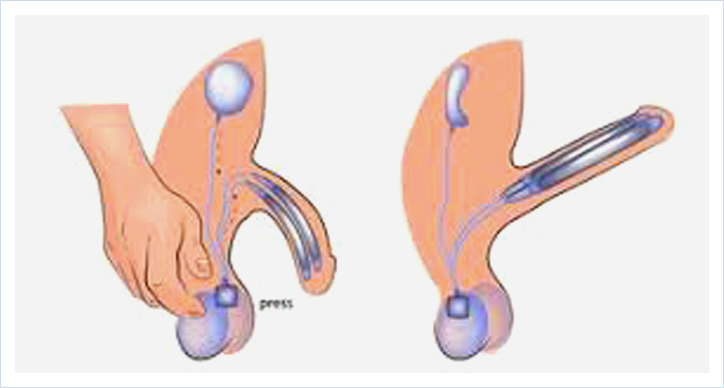
Penile prosthesis surgery is not the first treatment for most patients. It may be considered for established ED when tablets, devices or specialist medicines are unsuitable, ineffective or not preferred—and after the cause and general health have been assessed.
Dr. Pawan Shahane provides confidential surgical consultation and explains the difference between inflatable and malleable implants, expected use, recovery, infection prevention, mechanical failure, revision surgery and realistic limitations.
Routine ED is usually assessed in a planned appointment, but certain symptoms should not wait.
This may be priapism and requires emergency treatment to reduce the risk of permanent tissue damage.
Stop sexual activity and seek urgent care. Do not use nitrate medicine together with a PDE5-inhibitor ED drug.
Prompt assessment is required for trauma, sudden major curvature, marked swelling or bruising.
Urgent medical advice is needed, particularly when symptoms occur after an ED medicine.
New weakness, numbness, severe back symptoms or bladder/bowel changes need urgent clinical assessment.
ED can affect mental wellbeing. Seek prompt professional support if distress becomes overwhelming or unsafe.
There is no responsible single price for “ED treatment” because the term covers evaluation, medicines, devices and surgery.
Cost can depend on consultation complexity, recent or required laboratory tests, referral needs, prescribed medicines, counselling and whether a vacuum device or specialist therapy is selected.
Cost depends on implant type, hospital and anaesthesia arrangements, medical optimisation, investigations, admission, consumables and follow-up. A written, individual estimate is provided only after examination and implant selection.
The page does not promise one treatment for every patient. Its purpose is to help patients understand the diagnostic pathway, established options and when a surgical solution may be discussed.
These answers are educational and cannot replace examination or individual prescribing advice.
Begin with a private, medically responsible discussion. Please do not send intimate photographs through ordinary WhatsApp messages. Bring a list of current medicines and any recent diabetes, cholesterol, hormone or heart-related reports.
Surdham Complex, Dhantoli, Nagpur — 440012, Maharashtra, India
Monday–Saturday
11 AM – 6 PM
Closed Sunday

Case of the Month: Grade 3 Gynecomastia…

The Science of Facial Aging: Why Wrinkles,…