
May improve
Selected superficial roughness, dull appearance and mild uneven surface texture.
Skin polishing is not one fixed “glow” treatment. It is a broad term for controlled superficial exfoliation that may be considered for selected dullness, mild roughness or uneven surface texture after the skin has been examined.
The aim is a safer, proportionate plan for your concern—not an aggressive package, a colour-changing promise or a substitute for acne-scar, melasma or deeper resurfacing treatment.

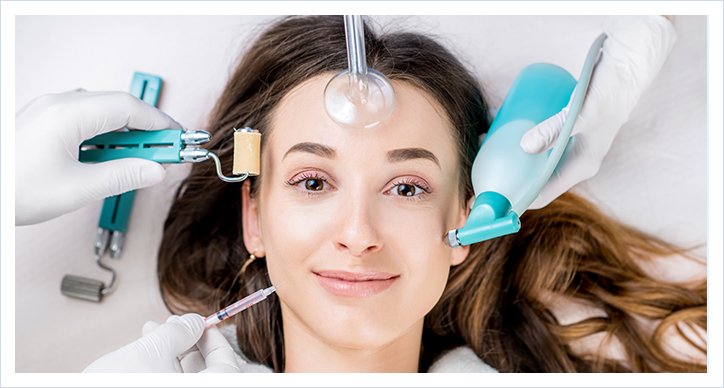
“Skin polishing” is commonly used as a patient-friendly term for surface exfoliation. Depending on the assessment, this may involve a controlled microdermabrasion-style method or another gentle superficial approach. During consultation, the exact method, expected treatment depth and reason for choosing it are explained clearly, including what the procedure may improve and what it cannot.
Superficial polishing mainly acts on the outermost skin layer. It may make selected skin feel smoother and look temporarily brighter or more even. These changes are usually modest. It cannot reshape facial tissue, tighten significant laxity, erase deep scars or permanently remove pigmentation.
Dr. Pawan Shahane reviews the concern, skin sensitivity, acne activity, pigmentation tendency, medicines, recent procedures and current skincare before recommending a treatment. Sometimes the safest recommendation is to first repair the skin barrier, control acne or diagnose the pigmentation rather than polish the skin.
Good treatment starts by identifying why the skin looks dull or uneven. Dehydration, active acne, irritation, melasma, post-inflammatory pigmentation, sun damage and surface build-up need different plans. A polishing session should never replace diagnosis.
— Dr. Pawan Shahane, M.Ch. Plastic Surgery · Founder, Mayflower Clinic, Nagpur
The exact treatment technique is confirmed during consultation.
Selected superficial roughness, dull appearance and mild uneven surface texture.
Deep acne scars, major pigmentation disorders, significant wrinkles, laxity or tissue-volume loss.
Surface improvement is not permanent because skin continues to age and respond to sun, climate and skincare.
Over-treatment can cause redness, sensitivity or post-inflammatory darkening, particularly in reactive skin.
The treatment name should never be used as a vague package. The exact steps and their purpose should be clear.
Active acne, dermatitis, rosacea, pigmentation, sunburn, infections, cold sores and suspicious lesions are checked before treatment.
Make-up, sunscreen and surface debris are removed without harsh scrubbing or unnecessary friction.
A named mechanical or other superficial method may be selected and adjusted according to skin response.
Selected comedonal congestion may be addressed cautiously; active inflamed acne requires a different plan.
A non-irritating moisturising or calming step may be used after exfoliation, depending on sensitivity.
Sun protection, moisturising and temporary pauses in active skincare help reduce avoidable irritation.
These treatments are not interchangeable. The appropriate depth depends on the diagnosis and the result being sought.
| Option | Main depth / purpose | May suit | Limitations and downtime |
|---|---|---|---|
| Skin polishing / microdermabrasion-style exfoliation | Very superficial surface renewal | Selected dullness, mild roughness and superficial unevenness | Subtle results; temporary redness or sensitivity; not for deep scars |
| Superficial chemical peel | Controlled chemical exfoliation | Selected pigment, acne or texture concerns after preparation | Peeling and pigment risk vary by agent, strength and skin type |
| Microneedling | Controlled dermal stimulation | Selected acne scars and textural concerns | More redness; requires sterile technique and scar-specific planning |
| Femto Derma CO2 laser | Fractional laser resurfacing at selected depths | Selected deeper texture, scar or resurfacing indications | Separate treatment with greater preparation, downtime and pigment-risk assessment |
When superficial polishing is not enough, Dr. Pawan Shahane may recommend a mild or moderate chemical peel, microneedling with autologous PRP, an exosome-assisted procedure, fractional Femto Derma CO₂ laser resurfacing, or a medically supervised IV infusion. Each option has a different purpose, depth, evidence base and recovery profile.
Physician-selected combinations may include sterile injectable glutathione, vitamin C, alpha-lipoic acid, B vitamins, amino acids or hydration fluids. They may be useful as an adjunct for selected patients after medical screening, but they are not a permanent whitening treatment or a substitute for diagnosing melasma, anaemia, fatigue or nutritional deficiency.
Superficial or selected medium-depth blends can be useful for acne-prone skin, post-inflammatory marks, melasma support, dullness, fine lines and surface texture. Mayflower Clinic does not position strong phenol peeling as routine facial care.
Also known as a vampire facial, this combines controlled microneedling with platelet-rich plasma prepared from the patient’s own blood. It may be useful for selected acne scars, pores, texture, fine lines and overall skin quality.
Exosome-based topical preparations may be considered as an adjunct after procedures such as microneedling or fractional CO₂ laser in selected patients. Early human studies are encouraging for skin rejuvenation and acne-scar recovery, but products and protocols vary and long-term evidence is still developing. At Mayflower Clinic, the role of exosomes is discussed as an adjunct rather than a guaranteed or stand-alone rejuvenation treatment.
The Femto Derma CO₂ laser creates controlled fractional treatment zones that stimulate healing and collagen remodelling. It can be useful for selected acne scars, texture, fine lines and mild skin laxity, with greater downtime and pigment-risk assessment than skin polishing.
NAD is a coenzyme involved in cellular energy metabolism. A supervised infusion may be considered for selected wellness goals, but current human IV evidence is preliminary and does not justify claims that it cures fatigue, reverses ageing or treats chronic disease.
Mayflower Clinic provides different physician-selected IV formulations without using one standard formula for every patient. Depending on the verified product label and clinical purpose, an infusion may contain hydration fluid, glutathione, vitamin C, alpha-lipoic acid, B-complex vitamins, amino acids or other approved sterile injectable components.
How these infusions may be useful: as an adjunct for selected patients seeking hydration support, correction of a documented deficiency, antioxidant support or improvement in general skin quality when the expected benefit is reasonable. A complexion-support infusion may be combined with sunscreen, pigment diagnosis, topical care or procedures rather than being presented as a stand-alone solution.
Evidence for intravenous glutathione as a skin-lightening treatment remains limited, and any colour or brightness change is variable, often temporary and not equivalent to treating melasma or post-inflammatory pigmentation. Any infusion discussion should focus on realistic complexion support, uncertain benefit and medical safety rather than permanent whitening.
NAD participates in cellular metabolism and energy-related biochemical reactions. IV NAD is increasingly offered in wellness settings, but available human data mainly address short-term tolerability and remain insufficient to promise improved energy, cognition, longevity or disease treatment.
A peel is selected by concern, skin type, current inflammation, previous pigmentation and the depth that can be safely tolerated. Combination treatment does not mean that every acid is mixed together; it means compatible agents or sequential sessions are chosen for a defined goal.
May be useful for dullness, superficial pigmentation, dry or rough texture and selected fine lines. Strength, contact time and skin preparation determine depth.
Oil-soluble exfoliation may be useful for comedonal acne, oily skin, congestion and selected post-acne marks.
Slower penetration can be useful in selected sensitive, acne-prone or pigmentation-prone skin when a gentler approach is preferred.
Compatible acids may be combined or alternated to address more than one concern, such as acne with pigmentation or dullness with early photoageing.
A carefully selected TCA-based or comparable medium-depth peel may be useful for more established texture or pigment concerns, but it requires greater preparation, downtime and post-inflammatory pigment precautions.
Deep phenol peeling has a substantially different risk and recovery profile. It is not presented at Mayflower Clinic as routine skin polishing or a standard “glow” treatment.
These are deeper treatments than skin polishing. They may improve firmness or “tightening” by stimulating wound healing and collagen remodelling, but the degree of change varies and cannot reproduce a surgical facelift.
Microneedling creates controlled microchannels. Platelet-rich plasma is prepared from the patient’s own blood and used during or after treatment according to the protocol. It may be useful for selected atrophic acne scars, pores, uneven texture, early fine lines and skin-quality improvement.
An exosome-based topical adjunct may be considered after microneedling in selected cases. Small clinical studies have reported improvements in measures such as hydration, elasticity, pigmentation and fine lines, but results vary and current evidence does not establish that exosomes are superior to autologous PRP for every patient.
Fractional CO₂ treatment reaches deeper than polishing or most superficial peels. Controlled columns of treatment stimulate resurfacing and collagen remodelling, which can improve selected acne scars, fine lines, texture and mild laxity.
Early split-face studies suggest that selected exosome-based topical preparations used after fractional CO₂ laser may improve some acne-scar or recovery measures compared with laser alone. The evidence is still evolving, so this is considered an optional adjunct rather than a standard requirement for every laser treatment.
The principal tightening effect is expected from controlled microneedling or fractional CO₂-induced collagen remodelling. Exosomes are used as an adjunct intended to support repair; they should not be described as independently guaranteeing skin tightening.
Active acne infection, eczema, rosacea flare, cold sores, poor wound healing, recent tanning, pregnancy-related restrictions, certain medicines or a strong tendency to abnormal scarring may change the plan.
Exosome-based cosmetic treatments are a developing area of aesthetic medicine. When they are considered at Mayflower Clinic, the discussion focuses on the specific preparation being used, how it will be applied, the evidence for the proposed indication, expected limitations and alternatives such as autologous PRP. Because products and protocols are not yet fully standardised, exosomes are presented as an optional adjunct—not as a guaranteed way to tighten, brighten or regenerate skin.
Tell us whether the main issue is dullness, roughness, acne, pigmentation, scars or sensitivity. The treatment differs for each.
Dr. Shahane reviews the diagnosis, skin barrier, pigmentation tendency, active inflammation, medicines and previous procedures.
You are told what technique is proposed, what it can reasonably change, the likely sensation, downtime and alternatives.
The area is cleansed. Eye, lip and sensitive zones are protected as appropriate before controlled exfoliation begins.
Pressure, passes or intensity should be modified if the skin becomes excessively red, painful or reactive.
A gentle aftercare step and sun-protection instructions are provided. Harsh active products are temporarily paused.
Further sessions are based on actual response—not on a fixed session count sold before your skin has been assessed.
If dullness is caused by active dermatitis, over-exfoliation or a damaged skin barrier, more polishing may worsen the problem. If the concern is melasma, acne scars, enlarged vessels, significant laxity or deep wrinkles, a different treatment pathway is usually required.
Bring your skincare products or photographs of them, disclose recent waxing, facials, peels, laser procedures and medicines, and mention cold sores or a history of dark marks after irritation.

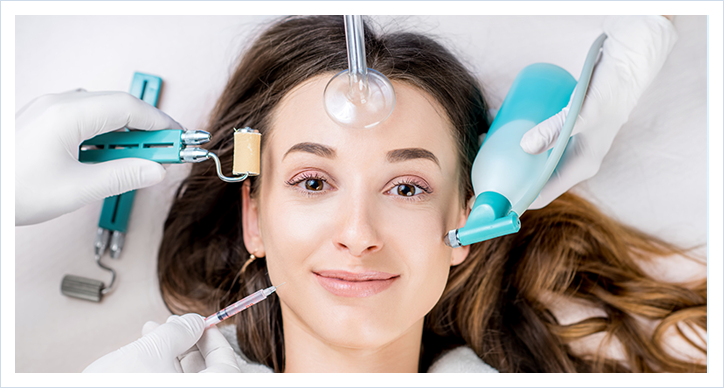
Authentic consultation image. Treatment is selected after examining the skin and reviewing previous products and procedures.
Recently inflamed skin is more vulnerable to irritation and pigment change.
Cold sores, bacterial infection, open wounds or oozing skin should be treated first.
Aggressive abrasion over inflamed lesions can increase discomfort and inflammation.
Heat, friction and exfoliation may worsen burning, redness and barrier damage.
Disclose isotretinoin, blood-thinning medicines, topical retinoids, acids and steroid use so timing can be individualised.
A growing, bleeding, crusting or changing mole or spot should be assessed before cosmetic treatment.
Use lukewarm water and the non-irritating cleanser advised. Do not scrub the treated skin.
Support the skin barrier with a fragrance-free moisturiser suitable for your skin type.
Use broad-spectrum sunscreen and practical shade. Reapply as advised, especially during outdoor travel.
Temporarily avoid scrubs, retinoids, strong acids, bleaching agents and waxing until the skin has settled.
Picking dry or flaky areas increases inflammation, infection and dark-mark risk.
Contact the clinic for blistering, marked swelling, severe pain, crusting, discharge or unexpected persistent darkening.
Some patients notice that the skin feels smoother or looks temporarily brighter after a session. Others need a spaced series before a visible difference is seen. The response depends on skin condition, method, intensity, skincare and sun exposure.
Results are not permanent. Surface cells continue to renew, and dullness or unevenness can return. Maintenance should be based on skin tolerance rather than frequent aggressive exfoliation.
There is no single correct public price because the term “skin polishing” may describe different superficial methods, treatment areas and aftercare needs.
Cost can vary with the exact method, face versus larger body area, whether medical assessment or treatment of an active condition is required, adjunctive soothing care, number and spacing of sessions, and follow-up.
Mayflower Clinic provides a transparent recommendation after examination. A fixed multi-session package is not presented as medically necessary before your skin response is known.
These verbatim Google reviews describe general experience with Dr. Pawan Shahane and Mayflower Clinic. They are not presented as skin-polishing outcome claims.
“Good Work on Cosmatic surgery.”
5-star Google review · General cosmetic surgery“Had a great experience with Dr. Pawan Shahane. He was extremely helpful, patient, and always took the time to address my concerns. His calm and reassuring approach made the entire process much more comfortable. Truly appreciate the care and support provided throughout. Highly recommended.”
5-star Google review · General patient experience“Dr. Pawan Shahane is awesome doctor. Feel safe with him. With his decades of experience, knowledge you are in the best hands. Doctor goes in detail and he is flawless in his execution.”
5-star Google review · General patient experienceIndividual experiences vary. General clinic reviews must not be interpreted as a promise of a particular skin-polishing result.
Quick guidance · Detailed explanations below.
Skin polishing is a broad clinic term for controlled superficial exfoliation intended to remove part of the outer dead-cell layer and improve surface smoothness. The exact method must be selected after examining the skin.
Microdermabrasion is one commonly used form of skin polishing, but clinics may use the term more broadly. At consultation, Dr. Shahane explains the exact method, device and expected depth before treatment.
It may help selected patients with dull-looking skin, mild surface roughness, superficial uneven tone, mild congestion or a temporarily less-reflective skin surface. Improvement is usually subtle rather than dramatic.
No. Deep rolling, boxcar or ice-pick scars usually require a scar-specific assessment and may need other treatments. Superficial polishing cannot rebuild deep tissue loss.
No. Melasma and many pigmentation problems can recur. Exfoliation may be unsuitable during an active flare and can worsen pigmentation if it causes irritation, especially in skin prone to post-inflammatory darkening.
Not automatically. Skin colour alone does not exclude treatment, but sensitivity, active inflammation, pigmentation tendency, medicines, recent procedures and the diagnosis all influence whether treatment is appropriate.
Treatment is commonly postponed when there is sunburn, an open wound, active infection, a cold-sore outbreak, inflamed acne, an eczema or rosacea flare, unexplained changing lesions or recent aggressive resurfacing.
Most superficial polishing treatments cause a sanding, suction or tingling sensation rather than significant pain. Treatment should be reduced or stopped if there is sharp pain, excessive heat or marked discomfort.
A facial session often takes around 30–45 minutes, but timing varies with the area, method, cleansing, soothing care and whether another treatment is combined.
Downtime is usually limited, but temporary redness, tightness, mild swelling, sensitivity or dryness can occur. Some patients prefer to avoid important events until they know how their skin responds.
There is no safe standard package for everyone. Some patients choose a single session, while others may benefit from a spaced series. The interval and number should depend on response and skin tolerance.
Use the gentle cleanser, moisturiser and sun protection advised for you. Temporarily avoid scrubs, picking, waxing and potentially irritating active products until the skin has settled.
No. The Femto Derma CO2 laser is a separate resurfacing technology that may be considered for selected deeper texture or scar concerns. It is not routine skin polishing and has different preparation, risks and downtime.
Cost depends on the exact method, treatment area, whether medical assessment or adjunctive care is required, session number and the follow-up plan. A transparent recommendation is provided after examination.
Yes. Dr. Pawan Shahane uses diagnosis-selected mild and moderate peel protocols, including compatible combinations or sequential peels. Deep phenol peeling is not presented as routine facial care.
A vampire facial is microneedling combined with autologous platelet-rich plasma prepared from the patient’s own blood. It may be useful for selected acne scars, pores, texture and early fine lines after suitability assessment.
An exosome-based topical adjunct may be considered after microneedling in selected cases. Early evidence is encouraging, but products and protocols vary, and current evidence does not show that exosomes are better than autologous PRP for every patient.
Selected exosome-based topical preparations may be considered after fractional CO2 resurfacing. Early trials suggest possible benefits for acne scars and recovery, but evidence is still developing and the adjunct is not necessary for every laser treatment.
They can improve mild laxity or firmness through controlled healing and collagen remodelling. The effect is gradual and variable, and neither treatment reproduces the lifting achieved by surgery.
Mayflower Clinic provides physician-selected antioxidant, nutrient, complexion-support and NAD infusions. The exact ingredients and dose are chosen after medical screening and verified from the sterile injectable product label.
No. Evidence for intravenous glutathione-based skin lightening is limited, and any change is variable and often temporary. IV treatment should not replace diagnosis and treatment of melasma or other pigmentation disorders.
NAD is involved in cellular energy metabolism. IV NAD may be considered as a supervised wellness adjunct for selected patients, but current human evidence is preliminary and does not prove anti-ageing, energy, cognitive or disease-treatment claims.
Bring your current skincare and treatment history. Dr. Pawan Shahane will assess whether superficial polishing is suitable, whether the skin first needs recovery or treatment, and when a peel, scar procedure or laser would be more appropriate.
Page medically reviewed: 25 August 2026. Review again when treatment protocol, equipment or clinical guidance changes.

Case of the Month: Grade 3 Gynecomastia…

The Science of Facial Aging: Why Wrinkles,…