0712 6692706 / 0712 3551170 / +91 8087471244   |   contact@mayflowerclinic.in

PRP Microneedling · Nagpur

Vampire Facial in Nagpur — PRP Microneedling for Texture, Early Ageing & Selected Acne Scars

A “Vampire Facial” is a popular name for microneedling combined with platelet-rich plasma prepared from your own blood. At Mayflower Clinic, it is approached as a medical skin procedure—not a salon facial—with skin assessment, sterile blood handling, conservative depth selection and realistic expectations.

Dr. Pawan Shahane, M.Ch. Plastic Surgery
Reviewed by Dr. Pawan Shahane, M.Ch. Plastic Surgery 21+ years surgical practice · Ex-Asst. Prof. GMC Nagpur · IAAPS Member · Medically reviewed 3 August 2026
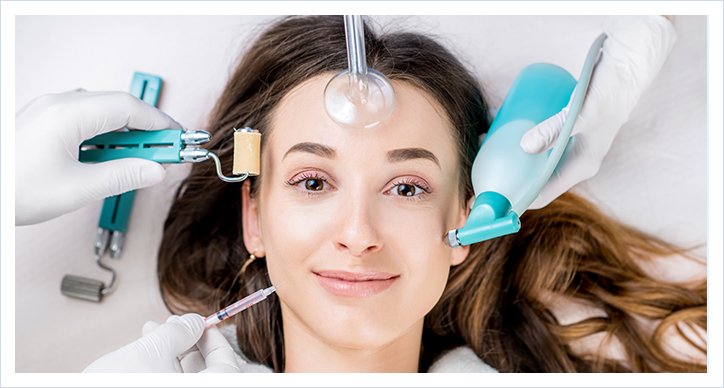
Skin rejuvenation consultation for PRP microneedling at Mayflower Clinic, Nagpur
Doctor-led planning Mayflower Clinic · Dhantoli, Nagpur
21+Years of surgical practice
M.Ch.Plastic Surgery qualification
AutologousPRP prepared from your blood
SterileSingle-use blood-handling protocol
Patient guide

Common questions about Vampire Facial treatment

Choose a question for a quick, plain-language answer. The full explanation follows below.

A Vampire Facial usually means controlled microneedling followed by application of platelet-rich plasma (PRP) prepared from a small sample of your own blood.
Answers are educational and locally written for Mayflower Clinic patients—not a diagnostic chatbot.
Clinical perspective

PRP is not magic—and it should never be marketed as one.

“The value of a Vampire Facial lies in careful patient selection, controlled microneedling, clean PRP preparation and a realistic treatment plan. The right question is not ‘Will PRP make me younger?’ but ‘Is this the right tool for my particular skin concern?’”
— Dr. Pawan Shahane, M.Ch. Plastic Surgery · Founder, Mayflower Clinic, Nagpur
Treatment overview

What actually happens in PRP microneedling?

A small sample of blood is collected and processed in a centrifuge to separate a platelet-rich plasma fraction. In the same visit, a medical microneedling device creates controlled microchannels at a depth selected for the treatment area and concern. The prepared PRP is then applied or delivered according to the treatment plan.

Microneedling itself triggers a wound-healing response. PRP contains platelets and signalling proteins involved in tissue repair. Clinical studies suggest that combining PRP with microneedling may improve some facial-rejuvenation and atrophic-acne-scar outcomes, but protocols vary and evidence is not uniform. This is why the treatment is presented as a selective option, not a universal solution.

The term “Vampire Facial” is marketing language. The medical description—autologous PRP with microneedling—is more useful because it tells you exactly what is being performed.

Important distinction: simple PRP injections, PRP applied after microneedling, radiofrequency microneedling and fractional laser resurfacing are different procedures. They should not be treated as interchangeable.
Right treatment, right concern

What a Vampire Facial may help—and what it cannot replace

Good outcomes begin with matching the treatment to the anatomy and skin problem.

May be considered for

  • Uneven or rough-looking skin texture
  • Early fine lines and mild photoageing
  • Dull-looking skin where gradual rejuvenation is desired
  • Selected shallow or rolling atrophic acne scars
  • Patients who prefer an autologous biologic adjunct

Does not replace

  • Facelift surgery for significant skin laxity
  • Dermal fillers for structural volume loss
  • Neuromodulator treatment for dynamic expression lines
  • Targeted pigment treatment for melasma or active pigmentation
  • Subcision, focal scar techniques or laser for deep mixed acne scars
Clinical assessment

Six questions Dr. Shahane considers before recommending PRP microneedling

1

What is the main concern?

Texture, scars, fine lines, pigmentation and laxity need different treatment ladders.

2

Is the skin stable?

Active acne, dermatitis, infection, herpes or irritated skin may need treatment first.

3

What is the scar pattern?

Rolling, boxcar, ice-pick and tethered scars do not respond equally to one technique.

4

How does the skin pigment?

Indian skin can develop post-inflammatory hyperpigmentation, so depth and aftercare matter.

5

Are there medical cautions?

Medicines, bleeding tendency, platelet disorders, immune status and scar history are reviewed.

6

Is another treatment stronger?

For deeper structural change, fractional CO2 laser, subcision, peels or combined planning may be more logical.

Treatment journey

How a Vampire Facial is planned and performed

01
Before treatment

Skin consultation and photography

Your concern, previous treatments, active products, medicines, cold-sore history, pigmentation tendency and expectations are reviewed. Standardised photographs may be taken with consent.

02
Preparation

Cleansing and topical numbing

The face is cleansed and disinfected. A topical anaesthetic may be applied for comfort, then removed before treatment.

03
Blood draw

Autologous PRP preparation

A small blood sample is drawn into a sterile tube and processed in a centrifuge. The PRP is prepared for the same patient and the same treatment visit.

04
Microneedling

Controlled depth by facial zone

Treatment depth is selected for the forehead, cheeks, scarred areas and other zones rather than using one aggressive setting over the entire face.

05
PRP delivery

Application according to the plan

The prepared PRP is applied or delivered using the clinician-selected technique. Additional products are not added simply to make the procedure sound more advanced.

06
Immediately after

Calming care and instructions

Your skin may look red and feel warm or tight. A simple aftercare plan is provided, including what to avoid and when to contact the clinic.

07
Follow-up

Review response before repeating

A repeat session is not automatic. The next step is based on healing, photographs, patient priorities and whether another treatment would add more value.

Doctor-led skin consultation with Dr. Pawan Shahane at Mayflower Clinic
Safety standards matter

Blood handling makes this a medical procedure—not a beauty-spa facial

PRP microneedling involves both needles and blood products. Infection-control failures can transmit serious blood-borne infections. The safe pathway therefore depends on correct patient identification, single-use sterile consumables, clean processing, device hygiene and proper disposal.

Single-patient PRPYour blood sample and prepared PRP are never shared.
Single-use needlesNeedle cartridges and blood-draw consumables are discarded after use.
Skin preparationTreatment begins only after appropriate cleansing and antisepsis.
Medical screeningActive infection, herpes risk, bleeding concerns and medicines are reviewed.
Traceable processPatient, tube and treatment steps must stay correctly matched.
Aftercare accessYou receive red-flag guidance and a contact route for concerns.
Contact the clinic promptly for increasing pain, spreading redness, pus, fever, blistering, marked swelling, a cold-sore outbreak, or darkening that continues to worsen rather than settle.
Suitability and cautions

Who may proceed—and who may need to wait

More likely to be suitable

  • Adult with stable, non-infected facial skin
  • Mild texture change, early fine lines or selected atrophic scars
  • Realistic expectations for gradual, modest improvement
  • Willingness to follow strict sun protection and aftercare
  • No untreated medical issue affecting bleeding or healing
!

Usually postpone or assess carefully

  • Active acne infection, eczema flare, open wound or sunburn
  • Active herpes/cold sore or frequent outbreaks without a plan
  • Known platelet disorder, significant anaemia or bleeding tendency
  • Blood-thinning medicine that cannot be safely adjusted
  • Immune suppression, uncontrolled diabetes or poor healing
  • History of keloids or abnormal scarring
  • Pregnancy or lactation for an elective cosmetic procedure
Do not stop aspirin, anticoagulants or any prescribed medicine on your own. Medication decisions must be made with the prescribing doctor and treating clinician.
Aftercare

Protect the healing window—especially in pigment-prone skin

Sun protection

Avoid direct sun during early healing and use the sunscreen recommended for your skin once advised.

Gentle cleansing

Use clean hands, lukewarm water and a mild cleanser. Do not scrub, pick or use cleansing brushes.

×

Pause irritants

Retinoids, exfoliating acids, scrubs and strong actives are paused until the skin barrier has settled.

Avoid heat and sweat

Skip strenuous exercise, steam rooms, saunas and very hot showers during the initial period advised.

Keep it simple

More products do not mean faster healing. Use only the calm, minimal routine discussed at the clinic.

Report warning signs

Increasing pain, discharge, fever, spreading redness, blisters or worsening pigmentation need review.

First 24 hours

Red and warm

Skin may resemble a sunburn and feel tight or sensitive.

Days 2–3

Dry or slightly rough

Redness usually settles; dryness, mild swelling or pinpoint crusting may remain.

Week 1

Barrier recovery

Most visible recovery occurs, although sensitive or deeper-treated skin may take longer.

Weeks to months

Gradual remodelling

Any collagen-related change develops slowly and is assessed over time, not the next morning.

When PRP is not enough

How Vampire Facial fits into Mayflower Clinic’s skin-treatment ladder

The clinic offers multiple treatments, but combination therapy is chosen for a reason—not as a package.

Primary concernOption that may be discussedWhy it differs from PRP microneedling
Mild texture, early fine lines, selected shallow scarsMicroneedling with PRPCollagen-induction treatment with an autologous biologic adjunct and relatively short visible downtime.
Deeper acne scars, photodamage or stronger resurfacing needFractional Femto Derma CO2 laserCreates controlled fractional thermal columns for deeper resurfacing; downtime and pigment planning are more significant.
Selected patients seeking a non-PRP biologic adjunctExosome-assisted microneedlingUses a prepared cell-derived product rather than the patient’s own platelets; product quality and indication require careful discussion.
Superficial pigmentation, roughness or comedonal tendencyMild or moderate combination chemical peelsTargets epidermal turnover and pigmentation patterns; Mayflower Clinic does not use deep phenol peels.
Tethered rolling scarsSubcision ± resurfacingReleases fibrous attachments under scars; microneedling alone cannot reliably free deep tethering.
Dynamic wrinkles or facial volume lossBotulinum treatment or dermal fillersTargets muscle activity or volume, problems that PRP microneedling does not directly correct.
Realistic expectations

What results can—and cannot—be promised

Gradual, not instant

Early freshness may reflect hydration and healing. Structural remodelling, when it occurs, develops over weeks to months.

Improvement, not erasure

Acne scars and fine lines may soften, but complete removal is not a realistic promise.

Maintenance varies

Skin ageing continues. Repeat treatment is based on response and priorities, not a mandatory subscription.

Cost is not quoted as a single online number because the plan may involve PRP microneedling alone, a staged scar programme, a different device or no procedure at all. A transparent written estimate is provided after examination.
Verified clinic feedback

What patients say about Dr. Shahane’s care

These are excerpts from verified Google reviews about overall Mayflower Clinic care. They are not presented as Vampire Facial outcome claims.

★★★★★
“From the initial consultation to the post-operative care, Dr. Shahane demonstrated exceptional skill, professionalism, and a genuine care for my well-being.”
N
Nishant MenghareVerified Google review · procedure-specific review excerpt
★★★★★
“He explains everything and how to take care. He support at every stage…”
K
Kunal ThakurVerified Google review · procedure-specific review excerpt
★★★★★
“He is very intelligent and guides you very well.”
S
Sachin BatraVerified Google review · procedure-specific review excerpt
Questions patients often ask

Vampire Facial FAQs

Direct answers about PRP microneedling, suitability, recovery, results and safety.

What is a Vampire Facial?

A Vampire Facial is the popular name for a doctor-led skin treatment that combines microneedling with platelet-rich plasma, or PRP, prepared from a small sample of the patient’s own blood. It is intended to support gradual skin remodelling rather than produce an instant facelift.

Is a Vampire Facial the same as PRP microneedling?

Usually, yes. The term is commonly used for microneedling followed by application of autologous PRP. Some clinics also use the phrase for PRP injections alone, so the exact technique should be clarified during consultation.

Does the treatment use my own blood?

Yes. A small blood sample is processed in a centrifuge to separate a platelet-rich fraction. Because it is autologous, allergy to the PRP itself is uncommon, although reactions to numbing cream, antiseptics or aftercare products can still occur.

What concerns may improve with PRP microneedling?

It may be considered for uneven texture, early fine lines, dull-looking skin and selected atrophic acne scars. It does not replace surgery for significant skin laxity, fillers for structural volume loss or targeted treatment for active pigmentation disorders.

Who may be a suitable candidate for a Vampire Facial?

A suitable candidate is generally an adult with stable skin, realistic expectations and a concern that may respond to collagen-induction treatment. The final decision depends on skin examination, medical history, medicines, scarring tendency and the presence of active skin disease.

Who should avoid or postpone PRP microneedling?

Treatment is usually postponed in the presence of active acne infection, open wounds, dermatitis flare, herpes outbreak or recent significant sunburn. Bleeding disorders, platelet problems, immune suppression, blood-thinning medicines, pregnancy, lactation and a tendency to form abnormal scars require individual medical discussion.

Is a Vampire Facial painful?

A topical numbing cream is commonly used. Most patients describe pressure, vibration, prickling or warmth rather than severe pain, but comfort varies by treatment depth and facial area.

How much downtime is expected after treatment?

Redness, warmth, tightness and mild swelling are common for one to three days. Pinpoint crusting, dryness or temporary darkening can last longer in some patients, especially after deeper treatment or in skin prone to post-inflammatory pigmentation.

How many Vampire Facial sessions are usually needed?

Many treatment plans use a short series, often around three sessions spaced several weeks apart, but this is not a fixed rule. The number depends on the concern, depth of acne scarring, response after each session and whether another treatment is more appropriate.

When will I see results from PRP microneedling?

Early improvement in freshness or texture may be noticed after the initial healing phase, while collagen-related change is gradual over several weeks to months. Results vary and maintenance may be discussed; no specific outcome can be guaranteed.

Can a Vampire Facial treat acne scars?

It may help selected rolling or shallow atrophic acne scars, especially as part of a broader scar plan. Deep ice-pick scars, tethered scars and mixed scar patterns may need subcision, focal techniques, fractional Femto Derma CO2 laser resurfacing or a combination approach.

Is PRP microneedling suitable for Indian skin tones?

It can be considered across a range of skin tones, but Indian skin may develop post-inflammatory hyperpigmentation after unnecessary inflammation. Conservative depth selection, sun protection, appropriate pre-treatment skin preparation and careful aftercare are important.

Can PRP microneedling be combined with CO2 laser or exosome treatment?

Combination treatment is not automatic. At Mayflower Clinic, the Femto Derma CO2 laser, exosome-assisted treatment, mild or moderate chemical peels and other options are discussed only when the skin concern warrants them. Treatments may be staged rather than performed together.

What are the risks of a Vampire Facial?

Expected short-term effects include redness, swelling, tenderness, pinpoint bleeding, dryness and bruising. Less common problems include infection, herpes reactivation, prolonged pigmentation change, acne flare, scarring, sensitivity to topical products and little or no visible improvement.

Evidence and safety references

Sources used for medical review

  1. Gentile P. Platelet-Rich Plasma Use in Facial Rejuvenation. Facial Plastic Surgery Clinics of North America. 2023. PubMed record.
  2. Nandini AS, et al. Split-face comparative study of microneedling alone versus microneedling with PRP in post-acne scars. 2021. PubMed record.
  3. Kang C, et al. Combined effect of microneedling and platelet-rich plasma for acne scars. 2022. PubMed record.
  4. US Food and Drug Administration. Microneedling Devices: uses, risks and patient safety information. Updated 2025. FDA patient information.
  5. Stadelman-Behar AM, et al. Presumptive HIV transmission associated with PRP microneedling facials at an unlicensed spa. MMWR. 2024;73:372–376. CDC report.

Clinical note: Evidence for PRP facial rejuvenation remains heterogeneous. Protocols, platelet concentrations, delivery methods and outcome measures vary, so treatment claims should remain conservative.

Consultation before treatment

Book Your Vampire Facial Assessment in Nagpur

Bring your current skincare list, prior procedure details and photographs of any previous reactions. Dr. Shahane will assess whether PRP microneedling, another treatment or simple skin-barrier care is the most sensible next step.

Medical Disclaimer: Non-surgical treatments have variable individual response. Results are not guaranteed and depend on skin type, the underlying concern, treatment depth, healing biology and aftercare. PRP microneedling may cause redness, swelling, bruising, infection, herpes reactivation, pigmentation change, scarring or an inadequate response. Formal in-person consultation with Dr. Pawan Shahane is recommended before beginning any treatment course. This page is for general educational purposes and does not constitute medical advice or a personal treatment recommendation.