Congenital Deformity Treatment in Nagpur — Function-First Reconstructive Planning
A congenital difference may affect appearance, movement, feeding, speech, hearing, protection of a body part or everyday confidence. The right plan begins with a precise diagnosis, realistic priorities and age-appropriate, multidisciplinary care—not with an automatic decision for surgery.
ℹ️
Patient-friendly terminology: this page uses “congenital difference,” “congenital anomaly” and the search term “congenital deformity.” The condition does not define the person.
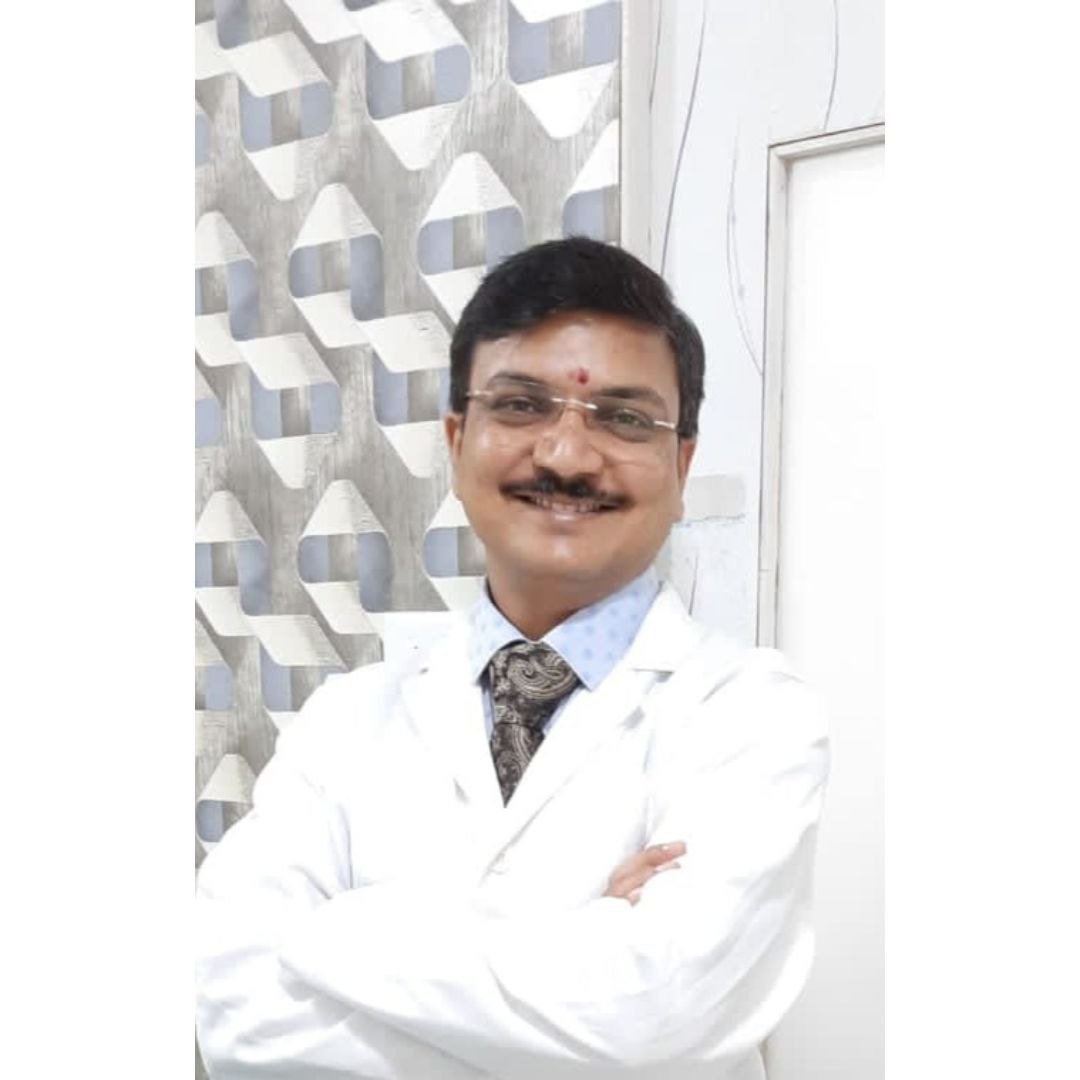
Reviewed by Dr. Pawan Shahane, M.Ch. Plastic Surgery21+ years surgical practice · Ex-Asst. Prof. GMC Nagpur · IAAPS Member · Personally planned reconstructive care
Not every congenital difference needs surgery. Treatment is considered only when it may improve function, comfort, protection, hygiene, growth or a meaningful appearance concern. See how suitability is assessed.
Dr. Shahane’s reconstructive perspective
The aim is not to make every person look the same.
“Congenital reconstruction should begin with the person’s function, comfort, safety and lived concerns. Appearance matters, but the plan must respect growth, tissue biology, family priorities and the limits of surgery.”
Dr. Pawan Shahane, M.Ch. Plastic Surgery · Founder, Mayflower Clinic, Nagpur
Balanced reconstructive priorities
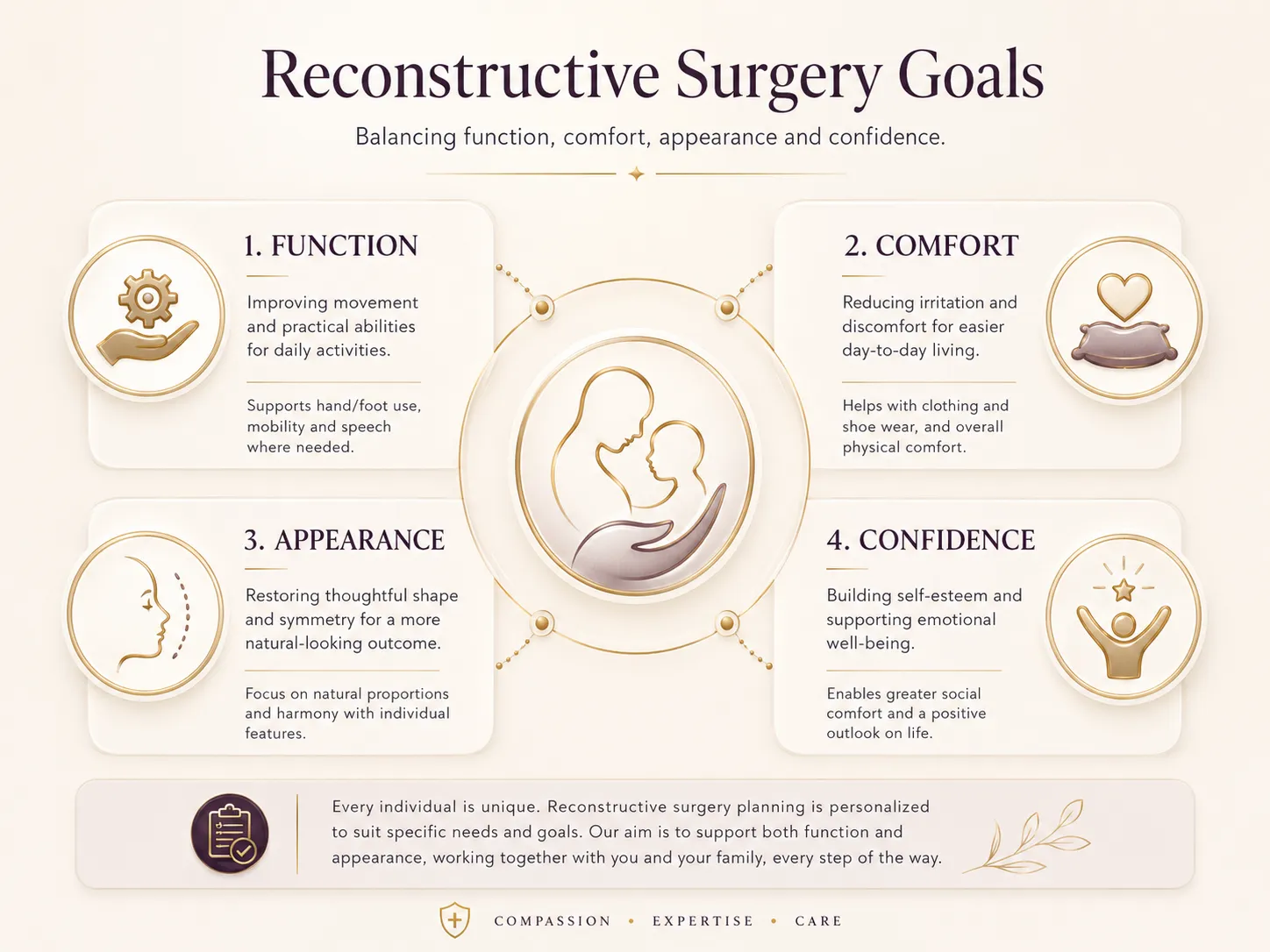
Function, comfort, appearance and confidence are considered together
The priorities are different for every diagnosis. The treatment plan should reflect the person’s practical needs, stage of growth and realistic goals.
Patient-education infographic: reconstructive surgery planning balances practical function, physical comfort, proportionate appearance and emotional well-being. Individual results and priorities vary.
Understanding the condition
What does “congenital deformity” mean?
A congenital condition is present before or at birth, although some differences become obvious only as a child grows. It may involve structure, function or both. The cause may be genetic, environmental, related to a maternal illness or infection, multifactorial, or remain unknown.
Plastic and reconstructive surgery is relevant mainly when a congenital difference affects the face, ear, hand, limb, skin, soft tissues, body contour or the reconstruction of an external structure. The plastic surgeon’s role may include diagnosis-specific planning, restoration of movement or coverage, scar management, tissue reconstruction and coordination with other specialists.
Not every congenital condition belongs to plastic surgery. Congenital heart disease, spinal abnormalities, brain conditions, hip dysplasia and internal-organ problems require their respective paediatric, cardiac, neurosurgical, orthopaedic or other specialist teams. Plastic-surgery input may be only one part of a larger care pathway.
Questions the consultation should answer
What is the exact diagnosis, and does it affect function, growth or health?
Is observation, therapy or another specialty more appropriate than surgery?
What can reconstruction realistically improve—and what cannot it change?
Is the timing urgent, age-dependent or best planned after further growth?
Would treatment be one operation or a staged pathway?
What rehabilitation, family support and long-term follow-up may be needed?
Important: website information cannot diagnose a child or adult. Bring previous medical records, operative notes, scans, genetic reports, therapy records and a current medicine list to the consultation when available.
Conditions that may need plastic-surgery input
Different diagnoses require different specialist pathways
These groups are examples, not a self-diagnosis checklist. A specialist examination determines whether reconstructive surgery, therapy, observation or referral is appropriate.
◉
Cleft and craniofacial differences
Cleft lip or palate, facial asymmetry and selected craniofacial differences usually need coordinated care involving plastic surgery and other specialists such as paediatrics, speech, hearing, dental, orthodontic or maxillofacial teams.
Team-based care
◒
Congenital ear differences
Microtia, constricted ear, prominent ear or differences in ear shape may be assessed for hearing needs, growth, cartilage development and the relative roles of observation, moulding or reconstruction.
Hearing + form
✋
Hand and upper-limb differences
Syndactyly, polydactyly, thumb differences, constriction bands and other hand differences are assessed for grasp, pinch, alignment, sensation, growth and the timing of therapy or surgery.
Movement + development
✦
Skin and soft-tissue differences
Selected birthmarks, congenital naevi, skin deficiencies, soft-tissue deficiency or overgrowth may require observation, imaging, staged excision, expansion or reconstructive coverage.
Tissue protection
〰
Vascular anomalies
Vascular tumours and malformations are not all treated alike. Some need observation or medicine; others may need imaging, interventional radiology, laser or surgery within a multidisciplinary vascular-anomalies pathway.
Correct classification matters
◇
Chest, breast and body asymmetry
Congenital chest-wall, breast or soft-tissue asymmetry may be evaluated during growth or adulthood. Reconstruction may involve contour balancing, tissue expansion, grafting or implants where appropriate.
Growth-aware planning
Clinical example of a congenital hand difference. The image is educational and does not establish a diagnosis or predict the treatment required for another patient.
Example: congenital hand difference
Assessment looks beyond the visible shape
A congenital hand difference may involve skin, bone, joints, tendons, nerves or blood vessels. Planning therefore considers grasp, pinch, finger alignment, circulation, sensation, growth and the expected effect of scars.
Some differences are observed, some benefit from splinting or hand therapy, and selected conditions may be considered for one-stage or staged surgery. The appropriate pathway can be decided only after examination.
Clinical assessment
How suitability is assessed
The decision is based on much more than appearance. A safe plan must account for diagnosis, function, development, medical fitness and the person’s own goals.
1
Diagnosis and history
Pregnancy and birth history, family history, associated conditions, developmental milestones, prior operations, anaesthetic history and current medicines are reviewed.
2
Function
Depending on the region, assessment may include breathing, feeding, speech, hearing, eye protection, hand use, walking, hygiene, skin protection or pain.
3
Growth and timing
The surgeon considers whether early treatment supports development or whether waiting allows safer, more predictable reconstruction after tissue growth.
4
Imaging and tests
Clinical photographs, X-rays, ultrasound, CT, MRI, vascular imaging, hearing tests or laboratory studies may be advised according to the diagnosis.
5
Multidisciplinary input
Paediatric, genetic, orthopaedic, neurosurgical, ENT, dental, speech, physiotherapy, occupational-therapy or anaesthesia review may be required.
6
Goals and consent
Expected benefits, scars, limitations, alternatives, risks, possible later stages and family responsibilities are discussed before any decision.
Qualified plastic-surgery assessment
Why reconstructive planning may need several specialties
Congenital differences can affect more than one structure. A cleft condition may involve feeding, speech, hearing and dental development. A hand difference may affect bone, tendon, nerve, skin and movement. A vascular anomaly may need imaging and medical classification before any procedure.
Dr. Pawan Shahane evaluates the plastic-surgery component and explains when another specialist or coordinated team is necessary. Referral is not a failure of treatment—it is part of safe, diagnosis-led care.
Plastic and reconstructive assessment by an M.Ch. Plastic Surgeon
Clear explanation of what is inside and outside plastic-surgery scope
Staged planning when growth or tissue availability matters
Rehabilitation and follow-up built into the treatment discussion
Authentic Mayflower Clinic professional identity image. No substitute doctor portrait or recreated association logo is used.
Choosing the right time
Why timing differs from one condition to another
Earlier is not always better, and waiting is not always safer. Timing is selected around function, growth, medical needs and the opportunity for rehabilitation.
Timing question
Why it matters
Possible planning approach
Is breathing, feeding, eye protection or circulation affected?
Health and tissue safety can take priority over appearance.
Prompt specialist evaluation; urgent treatment or referral may be needed.
Will early correction support development?
Selected hand, cleft or functional differences may influence movement, speech, feeding or social development.
Plan treatment within a diagnosis-specific developmental window.
Does reconstruction depend on body growth?
Ear, facial, chest or breast reconstruction may require sufficient tissue development or later balancing.
Observe growth and plan one or more stages at appropriate ages.
Is therapy needed before or after surgery?
Joint flexibility, muscle balance, speech, hand use or splint tolerance can affect outcome.
Coordinate therapy and surgery rather than treating them separately.
Is the child medically ready for anaesthesia?
Prematurity, cardiac or respiratory disease, infection and nutrition can alter risk.
Obtain paediatric and anaesthetic optimization before elective surgery.
Can the child or adult participate in aftercare?
Dressings, splints, activity restriction and therapy require understanding and family support.
Select timing when safe aftercare is realistic.
Treatment options
Reconstruction is a treatment ladder—not one standard operation
The least burdensome option that can safely address the priority problem is considered first.
◎
Observation and review
Selected differences may be stable, need monitoring during growth or have little functional impact. Regular review avoids unnecessary treatment.
↗
Therapy, splinting or moulding
Physiotherapy, occupational or hand therapy, splints, orthoses or early moulding may improve position and function in selected conditions.
✂
Release and local tissue rearrangement
Scar bands, webbing or tissue shortage may be treated with carefully planned local flaps or Z-plasty-type rearrangement where appropriate.
▱
Skin graft or flap reconstruction
Grafts or local, regional or free flaps may be used when healthy tissue is needed for coverage, protection or restoration of contour.
◌
Tissue expansion or staged reconstruction
Expansion can generate additional nearby skin. Staging may reduce risk or allow reconstruction to progress with growth and tissue availability.
⚙
Cartilage, bone, tendon or microsurgical reconstruction
Complex conditions may require structural grafting, tendon balancing, nerve work, implants or microsurgical tissue transfer within a specialist plan.
No technique is automatically “best.” The appropriate method depends on the diagnosis, age, tissue quality, previous surgery, function, risk profile and the priorities agreed during consultation.
Patient journey
A staged path from diagnosis to long-term review
Complex congenital reconstruction is often a programme of care rather than a single event.
1
Before consultation
Collect records and define the main concern
Bring birth and medical records, previous operative notes, images, genetic or hearing reports, therapy records and a list of medicines. Note the functional problem that matters most in daily life.
2
First visit
Diagnosis-specific clinical assessment
Dr. Shahane examines anatomy, scars, movement, circulation, sensation, growth and symmetry as relevant. The visit also identifies whether another specialty should lead or share care.
3
Planning stage
Tests, referrals and treatment priorities
Imaging, photographs, laboratory work, anaesthetic assessment or multidisciplinary opinions may be organized. Function, safety and tissue protection are prioritized before optional contour refinements.
4
Shared decision
Discuss options, limits and consent
The family or adult patient receives a clear explanation of alternatives, scars, recovery, risks, expected improvement, uncertain elements, cost factors and the possibility of later stages.
5
Procedure day
Reconstruction matched to the plan
Anaesthesia and facility requirements depend on age and complexity. The procedure is personally planned and performed by Dr. Pawan Shahane within the agreed surgical scope.
6
Early recovery
Protect healing tissues and begin guided movement
Dressings, splints, elevation, medicine, wound review and movement restrictions are individualized. Therapy begins only when it is safe for the reconstruction performed.
7
Months to years
Rehabilitation, growth monitoring and later review
Function, scars, symmetry and growth are reviewed. Some people need no further surgery; others may benefit from scar care, therapy, revision or a planned later stage.
Recovery and rehabilitation
Healing continues after the wound closes
Recovery is procedure-specific. Rehabilitation protects the reconstruction while helping the person use the affected part as effectively as possible.
🩹
Dressings and wound care
Keep dressings clean and dry, follow bathing instructions and do not apply unapproved creams or home remedies over the wound.
🛡
Splint or protection
A splint, cast, brace or protective position may be essential. Do not remove or alter it unless the clinical team has advised this.
↔
Guided movement
Movement may be restricted initially or started early under supervision. The protocol depends on the tissue repaired and the strength of the reconstruction.
◔
Scar maturation
Scars usually change for months. Massage, silicone, pressure, sun protection or later scar treatment may be advised after the wound has healed.
🍲
Nutrition and general health
Adequate protein, hydration, treatment of anaemia or infection and avoidance of nicotine support wound healing. Follow paediatric or physician advice for specific needs.
📅
Follow-up matters
Attend planned reviews even when the wound looks satisfactory. Growth, joint position, movement, scar behaviour and later-stage needs may not be obvious at home.
Risks and realistic limits
What should families and adult patients understand?
Reconstructive surgery can offer meaningful improvement, but it cannot make anatomy, growth or tissue biology completely predictable.
General surgical risks
Bleeding, infection, anaesthetic problems, pain, swelling, wound separation, delayed healing and adverse scarring can occur.
Procedure-specific risks
Altered sensation, stiffness, joint imbalance, graft or flap loss, contour irregularity, implant problems or donor-site symptoms vary by operation.
Growth-related change
A result achieved in childhood may change as the face, ear, hand, chest or other region grows. Later adjustment may be considered.
Residual asymmetry
Perfect symmetry is not a realistic promise. Reconstruction aims for useful, proportionate and safer improvement within the available tissues.
Need for revision
Some people need a planned second stage; others may need unplanned revision because of healing, growth or functional change.
Emotional and social needs
Decision-making should be free from shame or pressure. Age-appropriate counselling and the person’s own preferences become increasingly important with maturity.
Contact the surgical team promptly after a procedure if there is:
Increasing redness, warmth, discharge or fever
Worsening pain not controlled by prescribed medicine
Bleeding that soaks through dressings
A splint or cast becoming too tight, wet or damaged
New numbness, colour change, excessive swelling or reduced movement
Vomiting, poor intake or difficulty taking essential medicines
Seek emergency medical care for:
Breathing difficulty, blue lips or severe choking
Sudden loss of consciousness, seizure or severe weakness
Uncontrolled bleeding
A cold, pale or blue limb or finger
Severe allergic reaction
Any rapidly worsening condition in a newborn or child
Do not wait for a website or WhatsApp reply in an emergency.
Cost factors
Congenital deformity treatment cost in Nagpur
A responsible estimate is possible only after the diagnosis, treatment stage and facility requirements are clear.
Clinical complexity
A small localized correction and a multi-structure reconstruction differ greatly in operating time, expertise and aftercare.
Tests and specialist input
Imaging, hearing or genetic evaluation, paediatric assessment, anaesthesia review and multidisciplinary planning may add to the pathway.
Number of stages
Some care is completed in one procedure; staged reconstruction may involve planned intervals over months or years.
Anaesthesia and facility
Local versus general anaesthesia, day care versus admission and paediatric monitoring requirements affect cost.
Materials and reconstruction
Grafts, implants, tissue expansion, microsurgery, dressings and splints vary according to the procedure.
Therapy and follow-up
Hand therapy, physiotherapy, speech support, scar care and long-term growth review should be included in planning—not treated as afterthoughts.
Transparent estimate: Mayflower Clinic provides a diagnosis-specific estimate after consultation. The page does not quote a single package price because doing so could be misleading for a highly variable group of conditions.
Published patient experiences
What patients have said about reconstructive and surgical care
These are existing clinic testimonials and are not promises of a similar outcome. Individual diagnoses and healing vary.
★★★★★
“I had accident and had trauma to face… He explained me everything. I go for surgery and now, my eye is free. I am very much happy.”
“The surgery was really good and the doc is always there to help… I have similar forearms. Thank you so much doctor.”
D
Dhanashree SadawartiPublished clinic testimonial · forearm surgery
★★★★★
“Good experience. Highly skilled surgeon. Post op care and consultation was also done nicely.”
M
Mahika GoelPublished clinic testimonial · surgical care
Questions patients often ask
Clear answers about congenital deformity treatment
What is a congenital deformity or congenital difference?
It is a structural or functional difference that develops before birth and may be identified before birth, at birth or later. The effect may be mild or complex, and not every congenital condition requires surgery.
Does every congenital difference need reconstructive surgery?
No. Some differences need only observation, therapy, splinting or another specialist’s care. Surgery is considered when it may improve function, comfort, protection, growth, hygiene or appearance and when the expected benefit justifies the risks.
Which congenital conditions may be assessed by a plastic surgeon?
Plastic surgeons may assess selected cleft and craniofacial differences, ear anomalies, congenital hand differences, skin and soft-tissue abnormalities, vascular anomalies, chest or breast asymmetry and secondary problems after earlier operations. Scope depends on the diagnosis and available multidisciplinary support.
At what age is congenital deformity surgery performed?
There is no single age. Timing depends on diagnosis, breathing or feeding needs, function, growth, anaesthetic safety, tissue development, schooling, psychosocial needs and whether treatment is planned in stages.
Can an adult seek treatment for a congenital difference?
Yes. Adults may request evaluation for a difference that was never treated, a residual functional or appearance concern, scar problems or revision after childhood treatment. The plan is based on current anatomy and realistic goals.
Will one operation completely correct a congenital deformity?
Not always. Some localized conditions can be treated in one procedure, while complex craniofacial, hand, ear or soft-tissue differences may require staged surgery, therapy and review during growth.
What happens during the first consultation?
The consultation reviews the diagnosis, medical history, growth, previous treatment and the family’s main concerns. Examination focuses on function as well as appearance, followed by discussion of tests, referrals, options, limitations, timing, recovery and costs.
Are genetic tests always required?
No. Genetic evaluation may be useful when there are multiple differences, developmental concerns, a family history, a suspected syndrome or questions about recurrence. The need is decided with an appropriate paediatrician, clinical geneticist or fetal medicine specialist.
What are the risks of congenital reconstructive surgery?
Risks vary with the procedure and can include bleeding, infection, wound-healing problems, scarring, asymmetry, altered sensation, stiffness, graft or flap problems, anaesthetic complications and the need for revision or further staged surgery.
How long is recovery after congenital deformity surgery?
Recovery ranges from a short period after a minor procedure to several weeks or longer after complex reconstruction. Dressings, splints, activity limits, therapy and return to school or work are individualized.
How much does congenital deformity treatment cost in Nagpur?
Cost depends on the diagnosis, tests, number and complexity of stages, anaesthesia, hospital requirements, implants or grafts, therapy and follow-up. A transparent estimate is provided after examination and planning.
Does Mayflower Clinic treat congenital heart, spine or internal-organ defects?
This page concerns plastic and reconstructive assessment. Heart, spine, brain, hip and internal-organ conditions require the relevant paediatric, cardiac, neurosurgical, orthopaedic or other specialist team. Mayflower Clinic can advise whether plastic-surgery input or referral is appropriate.
Clinical references
Sources used for patient education
This page provides general education and has been written conservatively. Diagnosis-specific advice must come from the treating specialist team.
Book a Congenital Deformity Consultation in Nagpur
Bring the available diagnosis, previous records and the functional concern that matters most. Dr. Pawan Shahane will explain whether plastic-surgery treatment, further evaluation, observation or referral is the appropriate next step.
Medical Disclaimer: All surgical procedures carry inherent risks, and individual outcomes vary based on diagnosis, anatomy, age, tissue quality, associated medical conditions and healing biology. Surgical results are not guaranteed. Formal in-person consultation with Dr. Pawan Shahane and, when required, other relevant specialists is necessary before any treatment decision. This page is for general educational purposes only and does not constitute medical advice, diagnosis or a treatment recommendation. For an emergency, seek immediate medical care rather than waiting for a website, call-back or WhatsApp response.
To provide the best experiences, we use technologies like cookies to store and/or access device information. Consenting to these technologies will allow us to process data such as browsing behavior or unique IDs on this site. Not consenting or withdrawing consent, may adversely affect certain features and functions.
Functional
Always active
The technical storage or access is strictly necessary for the legitimate purpose of enabling the use of a specific service explicitly requested by the subscriber or user, or for the sole purpose of carrying out the transmission of a communication over an electronic communications network.
Preferences
The technical storage or access is necessary for the legitimate purpose of storing preferences that are not requested by the subscriber or user.
Statistics
The technical storage or access that is used exclusively for statistical purposes.The technical storage or access that is used exclusively for anonymous statistical purposes. Without a subpoena, voluntary compliance on the part of your Internet Service Provider, or additional records from a third party, information stored or retrieved for this purpose alone cannot usually be used to identify you.
Marketing
The technical storage or access is required to create user profiles to send advertising, or to track the user on a website or across several websites for similar marketing purposes.