0712 6692706 / 0712 3551170 / +91 8087471244   |   contact@mayflowerclinic.in
Adult Male Intimate Surgery · Nagpur

Basic Circumcision Surgery in Nagpur

Basic circumcision is a conventional surgical option for selected adult foreskin problems. The decision to circumcise—and how much foreskin should be removed—should be based on the individual problem, examination, anatomy and treatment goals rather than age alone.

At Mayflower Clinic, consultation focuses first on why the foreskin is causing difficulty, whether circumcision is actually required, and whether another approach may be more appropriate.

Dr. Pawan Shahane, M.Ch. Plastic Surgery, Nagpur
Reviewed by Dr. Pawan Shahane, M.Ch. Plastic Surgery 21+ years surgical practice · Ex-Asst. Prof. GMC Nagpur · IAAPS Member
Dr. Pawan Shahane discussing circumcision surgery with an adult male patient at Mayflower Clinic Nagpur
Mayflower Clinic · Dhantoli, Nagpur
🔒
Privacy-first consultation. Male intimate concerns are discussed respectfully and confidentially. Treatment is not selected from a website alone.
21+ Years surgical practice
M.Ch. Plastic Surgery
IAAPS Professional membership
Private Adult consultation pathway
Page Guide · Quick Answer

What do you need to know first?

On this website, basic circumcision means a standard surgical circumcision without a dedicated stapler or device-based system. The exact amount of foreskin removed is individually planned.
Understanding the procedure

What does “basic circumcision” mean?

“Basic circumcision” is not a universal medical classification. On the Mayflower website, the term is used to distinguish a standard surgical circumcision from techniques based around a dedicated circumcision stapler, ring or other device.

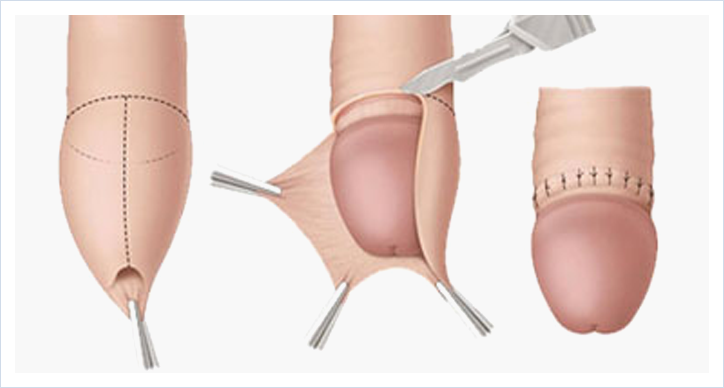
During conventional surgical circumcision, an appropriately planned amount of foreskin is removed, bleeding is controlled and the skin edges are closed, commonly with absorbable sutures. The operative details depend on the patient's anatomy, scarring, underlying condition and the purpose of treatment.

A particular age does not automatically determine whether someone should have a “loose”, “tight”, basic or advanced circumcision. Skin removal and final tension must be individualised.

Basic circumcision surgery educational illustration from Mayflower Clinic
Educational circumcision image from the existing Mayflower Clinic media library. Surgical planning is individual and may differ from a simplified illustration.
Important: A tight foreskin that has been pulled behind the glans and cannot be returned to its normal position requires urgent assessment. Inability to pass urine also requires urgent medical attention.
Possible indications

When might circumcision be considered?

Circumcision should address a defined problem or informed patient preference—not simply be performed because a particular technique is advertised.

Symptomatic Phimosis

A tight foreskin that cannot retract adequately and is producing symptoms such as discomfort, painful erections or difficulty with hygiene.

Repeated Inflammation

Recurrent balanitis or inflammation beneath the foreskin may require assessment of contributing causes and appropriate treatment.

Foreskin Scarring

Progressive scarring or a scarred phimotic ring may make normal foreskin movement difficult and sometimes requires surgical treatment.

Difficulty With Retraction

Adult foreskin problems should be examined to determine whether the issue is skin tightness, inflammation, scarring, frenulum problems or another condition.

Previous Foreskin Problems

Repeated episodes, previous procedures or persistent symptoms may require a more individual treatment plan rather than a standard one-size approach.

?

Uncertain Diagnosis

Examination is particularly important when there is unusual thickening, ulceration, a persistent lesion, discharge or another finding that needs diagnosis before surgery.

Not every patient needs the same method

Basic vs other circumcision options

“Newer” does not automatically mean “better” for every patient. Technique should follow the clinical problem, anatomy, surgeon's assessment and informed discussion.

Also important: Dorsal slit and revision circumcision address different clinical situations and should not be treated as interchangeable names for the same operation.
Before choosing surgery

Does every tight foreskin need circumcision?

No. The first step is understanding why the foreskin is tight or symptomatic.

  • Selected foreskin problems may respond to medical treatment or supervised conservative management.
  • Some patients may be candidates for a foreskin-preserving operation.
  • A short or tight frenulum can produce symptoms different from true phimosis.
  • Active inflammation or infection may need treatment before elective surgery.
  • Scarring or an underlying skin disorder may change the treatment plan.
  • Previous circumcision or an unsatisfactory scar may require revision rather than routine circumcision.

Consultation therefore includes alternatives and the option of not proceeding with surgery when an operation is not indicated.

Patient Journey

What happens from consultation to recovery?

1
Before treatment

Confidential consultation

Discuss symptoms, duration, previous infections or treatment, medical conditions, medicines, previous procedures and what you hope treatment will achieve.

2
Assessment

Examination and diagnosis

The foreskin, glans, frenulum, scarring and relevant surrounding anatomy are assessed. Further medical or specialist evaluation may be advised when appropriate.

3
Planning

Choose the appropriate treatment

Basic circumcision, another circumcision method, a foreskin-preserving option, medical treatment or no surgery may be discussed depending on the diagnosis.

4
Procedure day

Anaesthesia and surgical circumcision

Anaesthesia is administered according to the treatment plan. Foreskin removal is individually planned, bleeding is controlled and wound closure is performed.

5
Early recovery

Swelling, dressing and wound care

Mild-to-moderate swelling, bruising, sensitivity and discomfort can occur initially. Follow the specific dressing, washing and medication instructions given by the surgical team.

6
Following weeks

Gradual return to activity

Work, exercise and daily activity are resumed gradually. Activities that create friction, pressure or wound tension are delayed until sufficient healing has occurred.

7
Follow-up

Review healing

The final scar and contour should not be judged during the early swollen phase. Follow-up allows wound healing, scar maturation and any concerns to be reviewed.

Recovery & Aftercare

How should you care for the area after circumcision?

💧

Keep the Wound Clean

Follow the surgeon's washing and dressing instructions. Handle the wound with clean hands and dry the area gently rather than rubbing.

👖

Reduce Friction

Comfortable clothing and underwear can reduce rubbing during early recovery. Follow the surgeon's advice regarding support and positioning.

💊

Take Medicines Correctly

Use prescribed medicines only as directed. Do not independently add antibiotics, antiseptics or other treatments to the wound.

🏃

Delay Strenuous Activity

Heavy lifting, cycling, swimming, sport and friction-producing activity usually need temporary restriction during early healing.

Allow Sexual Healing

Sexual activity and masturbation should be avoided until adequate wound healing, commonly for at least four weeks and according to your surgeon's advice.

📋

Attend Follow-up

Do not ignore persistent swelling, bleeding, discharge, increasing pain, wound separation or difficulty passing urine.

For broader preparation, wound-care and recovery information, also see the Mayflower Patient Care Guide . Procedure-specific instructions given to you take priority over general website guidance.

Risks & Limitations

What should you understand before deciding?

Bleeding & Swelling

Minor swelling and bruising are expected during early recovery. Significant or persistent bleeding requires assessment.

Infection

Increasing redness, warmth, worsening pain, fever or concerning discharge may indicate infection and should be reviewed.

Wound Healing Problems

Wound separation, delayed healing or persistent tenderness may occur and can require additional wound care.

Scar & Contour

The circumcision line produces a permanent scar. Scar position, width, pigmentation and final appearance vary between patients.

Change in Sensation

The glans is newly exposed after circumcision, so sensitivity and the experience of touch may change. Early hypersensitivity commonly settles progressively.

Further Treatment

Occasionally additional treatment or revision may be necessary for bleeding, wound problems, residual skin, scar concerns or another complication.

⚠️ Contact the surgical team or seek urgent medical assessment if you develop:

  • Bleeding that is persistent or difficult to stop
  • Rapidly increasing swelling
  • Increasing redness or warmth
  • Pus, foul-smelling or concerning discharge
  • Fever, chills or feeling significantly unwell
  • Severe or progressively increasing pain
  • Wound opening
  • Difficulty passing urine
  • Inability to pass urine
  • Any rapid deterioration that concerns you

WhatsApp and website forms are not emergency services. Severe bleeding, inability to urinate or rapidly worsening symptoms require prompt in-person medical assessment.

Verified Patient Feedback

Mayflower Clinic reviewer inventory

We do not assign a circumcision procedure to a reviewer unless the source review specifically identifies that treatment. The names below are included in Mayflower Clinic's verified general Google-review inventory.

★★★★★

Verified Mayflower Clinic Google reviewer. Procedure-specific wording has not been invented or attributed.

Aarti Kate Google reviewer
★★★★★

Verified Mayflower Clinic Google reviewer. Procedure-specific wording has not been invented or attributed.

Shubhangi Chourasiya Google reviewer
★★★★★

Verified Mayflower Clinic Google reviewer. Procedure-specific wording has not been invented or attributed.

Bhagwan Singh Google reviewer
Frequently Asked Questions

Basic circumcision surgery: common questions

What is basic circumcision surgery?
On this website, basic circumcision refers to a standard surgical circumcision rather than a dedicated stapler or device-based technique. The amount of foreskin removed and wound closure are individually planned.
Is basic circumcision the same as traditional circumcision?
The terms can overlap. Basic circumcision on this page describes a conventional surgical option, while technique details, instruments and wound closure may vary according to the patient's anatomy and clinical indication.
When may adult circumcision be considered?
Circumcision may be considered for selected patients with symptomatic phimosis, recurrent foreskin inflammation or infection, scarring, difficulty retracting the foreskin, or other clinically appropriate problems after examination.
Does every tight foreskin need circumcision?
No. Treatment depends on the cause and severity. Selected patients may have non-surgical or foreskin-preserving alternatives, while others may benefit from circumcision.
How is basic circumcision performed?
After anaesthesia, the surgeon plans and removes the required amount of foreskin, controls bleeding and closes the skin edges, commonly with absorbable sutures. Exact technique varies between patients.
What anaesthesia is used for circumcision?
Local, regional or general anaesthesia may be appropriate depending on the patient, procedure and treatment setting. The anaesthesia plan is decided before surgery.
How long does circumcision take to heal?
Initial swelling and tenderness usually improve progressively, while full wound healing commonly takes several weeks. Around four to six weeks is a useful general recovery range, although individual healing varies.
When can I return to work after circumcision?
Many patients with desk-based work plan roughly a week away from work, but physically demanding jobs may require longer. Return to work should be based on comfort, healing and the surgeon's advice.
When can I exercise after circumcision?
Strenuous exercise, cycling, swimming and activities that create friction or pressure on the operative area are generally restricted during early healing. Activity is increased gradually according to recovery.
When can I resume sex or masturbation after circumcision?
Sexual activity and masturbation should be avoided during early wound healing, commonly for at least four weeks and until the wound is adequately healed. Follow the surgeon's individual advice.
What risks should I know about before circumcision?
Possible risks include pain, swelling, bleeding, infection, delayed wound healing, scar problems, altered sensation, wound separation, cosmetic dissatisfaction, anaesthetic complications and occasionally the need for further treatment.
When should I contact a doctor urgently after circumcision?
Seek prompt medical assessment for persistent or heavy bleeding, rapidly increasing swelling, fever, worsening redness, pus or foul discharge, severe increasing pain, wound opening, difficulty passing urine, or inability to pass urine.
Confidential Adult Consultation

Not sure which circumcision technique is appropriate?

Start with the problem rather than the device. Dr. Pawan Shahane can assess the foreskin, discuss whether surgery is necessary, explain reasonable alternatives and, when circumcision is appropriate, discuss the technique and recovery relevant to your case.

Medical Disclaimer: All surgical procedures carry inherent risks, and individual outcomes vary based on anatomy, skin type, health, the underlying foreskin condition and healing biology. Surgical results are not guaranteed. Formal in-person consultation with Dr. Pawan Shahane is required before any surgical decision. Information on this page is for general educational purposes only and does not constitute medical advice, diagnosis or a treatment recommendation. Urgent symptoms require appropriate in-person medical assessment.