
1. Submental fat
A soft, pinchable layer may be superficial fat. The amount, depth, distribution and relationship to the platysma determine whether non-surgical reduction or liposuction is reasonable.

A “double chin” is not always only fat. The contour may be influenced by submental fat, loose skin, platysma activity, chin projection and deeper neck anatomy. Dr. Pawan Shahane plans treatment after identifying which layer is actually responsible.


Quick guidance · Detailed explanations below.
No. Skin laxity, platysma bands, a short or retrusive chin and deeper neck anatomy may create similar fullness.
Sometimes for a small fat pocket and good skin recoil. It is not automatically equivalent to liposuction and may need staged sessions.
Yes. If skin recoil is poor, removing volume alone may make laxity more visible. Skin and muscle must be assessed first.
Yes. Limited chin projection can shorten the jawline and exaggerate under-chin fullness even when the amount of fat is modest.
No. It contours a localized fat layer and is not a substitute for overall weight management.
It varies by method. Device-based treatment may cause temporary swelling; liposuction often needs several socially quiet days and a longer settling period.
Cause, method, sessions, anaesthesia, facility, garment, medicines and combination treatment all affect the final written quote.
New, painful, hard, one-sided or rapidly changing fullness needs medical assessment before cosmetic treatment.
Choose the question closest to your concern.
“If the main issue is a set-back chin or loose platysma, removing more fat cannot create the right answer. The plan must respect facial proportions, skin quality and the neck’s layered anatomy.”— Dr. Pawan Shahane, M.Ch. Plastic Surgery · Founder, Mayflower Clinic, Nagpur
Double chin reduction is a group of contouring treatments for fullness beneath the chin and along the upper neck. The visible fold may be formed by superficial pre-platysmal fat, deeper fat, skin laxity, active or separated platysma muscle, a low hyoid or other deep anatomy, limited mandibular or chin projection, or several of these together.
For that reason, “double chin removal” is not one standard procedure. A patient with firm elastic skin and a localized pinchable fat pocket may need a very different plan from a patient with thin loose skin, vertical neck bands or a retrusive chin.
The aim is proportionate improvement in the chin–neck transition and jawline, not an artificially sharp angle. Treatment cannot stop ageing, replace weight loss, change the entire jaw skeleton or guarantee perfect symmetry.
A soft, pinchable layer may be superficial fat. The amount, depth, distribution and relationship to the platysma determine whether non-surgical reduction or liposuction is reasonable.
Skin may drape because of ageing, weight change, sun damage or reduced elasticity. Fat removal alone can be insufficient when recoil is poor.
The thin superficial neck muscle can form vertical bands or contribute to a less defined neck contour. Static and dynamic examination are both important.
A short or set-back chin can visually compress the jawline and exaggerate fullness. Profile planning may be more useful than repeatedly reducing fat.
Deep fat, digastric muscles, submandibular glands, mandibular shape, hyoid position, dental occlusion and overall facial proportions can affect the chin–neck angle. These structures are not all safely or appropriately treated as “fat.”
A physical examination usually includes profile and front-view photographs, pinch assessment, skin-recoil testing, observation during neck contraction, chin and jaw projection review, and a discussion of weight stability and previous procedures.
Read about chin projection planning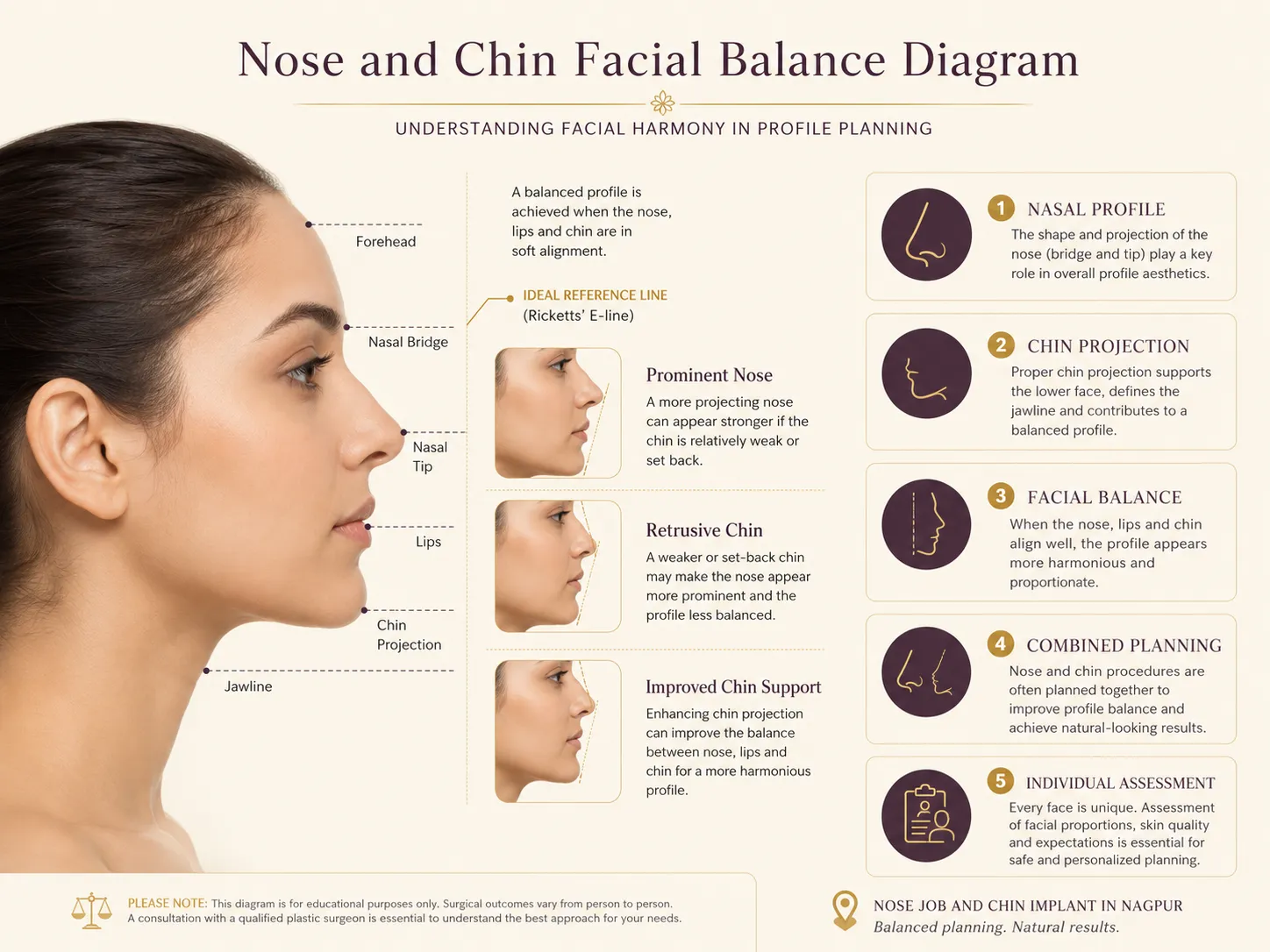
The best method is the least extensive treatment that can reasonably address the correct anatomical layer. More treatment is not automatically better.
| Planning point | Selected non-surgical fat reduction | Submental liposuction / laser-assisted lipolysis | Skin, platysma or neck-lift approach |
|---|---|---|---|
| Most suitable pattern | Small to moderate localized fat with reasonably good skin recoil. | Clear, removable fat layer where a more direct contour change is appropriate. | Loose skin, platysma banding or structural neck ageing that fat reduction alone cannot correct. |
| How it works | May use selected device-based reduction or medically appropriate injectable treatment, subject to availability, regulation and candidacy. | Fat is removed through small access points with a fine cannula; laser-assisted techniques may use energy before aspiration. | May tighten, redrape or support skin and muscle through a limited or more formal surgical plan. |
| Anaesthesia | Often none or topical/local measures, depending on method. | Usually local anaesthesia with or without sedation; some plans require general anaesthesia. | Depends on extent; may require local anaesthesia with sedation or general anaesthesia. |
| Sessions | Often staged; more than one session may be needed. | Usually one planned procedure, although revision is occasionally required. | Usually one operation, with longer recovery and scar considerations. |
| Recovery | Temporary swelling, tenderness, bruising or numbness varies by modality. | Bruising, swelling, tightness and compression are common; social recovery is often several days. | Longer swelling and wound care; recovery depends on surgical extent. |
| Main limitation | Gradual and less predictable volume change; cannot reliably correct marked laxity or deep anatomy. | Does not automatically tighten loose skin or correct platysma bands and chin retrusion. | More invasive, with scars, anaesthesia and a broader risk profile. |
Best considered for carefully selected superficial fat with good skin quality. Results are gradual, and device or injectable availability must be confirmed during consultation.
Uses fine cannulas through small access points to contour the pre-platysmal fat layer. Conservative removal helps reduce the risk of irregularity and exposed laxity.
May be considered in selected small areas. It is often minimally invasive—not “no incision”—and does not replace an honest assessment of skin recoil.
Dynamic bands may respond to carefully selected muscle treatment; structural separation or significant laxity may require surgical correction.
Chosen when skin laxity is the main problem. The treatment range can extend from energy-based support to limited submentoplasty or a formal neck-lift plan.
A filler, fat graft, implant or skeletal plan may be discussed only when the chin is genuinely under-projected. Occlusion and lower-face balance must be considered.
A suitable candidate is generally healthy, has a stable weight, understands the limits of contouring, and has an anatomical concern that matches the proposed method. Skin quality and chin projection often matter as much as the amount of fat.
Discuss photographs, weight history, profile goals, previous treatments and whether the fullness changes with posture or muscle contraction.
Dr. Shahane assesses pinchable fat, skin recoil, platysma, chin position, jawline and any feature that needs diagnostic review rather than cosmetic treatment.
Options, alternatives, scars, anaesthesia, likely recovery, limitations and the possibility of no treatment are discussed before consent.
Medicines, laboratory tests when required, smoking cessation, transport, compression garment and postoperative support are organized.
Treatment zones are marked in an upright position. The selected non-surgical or surgical method is performed according to the written plan.
Instructions may include compression, wound care, head elevation, walking, medicine use and clear warning signs for urgent contact.
Swelling, firmness, numbness and skin adaptation are reviewed. A second-stage treatment is considered only after the first result has matured.
These are broad planning ranges for uncomplicated small-volume liposuction. Your instructions may differ according to anaesthesia, combined procedures, skin quality and healing.
Swelling, tightness, drainage from access points and mild bruising may occur. Rest with the head elevated and walk gently.
Bruising may become more visible before fading. Compression is used as instructed. Many desk-based patients resume limited work.
Most bruising improves; swelling and firmness remain. Strenuous exercise and pressure on the area may still be restricted.
The contour becomes clearer as swelling settles and the skin adapts. Temporary numbness or firm areas may continue.
Final refinement and scar maturation are assessed. Residual laxity or structural limitations become easier to judge.
Wear the prescribed chin or neck garment for the advised duration. Excessive tightness is not beneficial and should be reported.
Short walks are encouraged. Heavy exercise, bending and strain are resumed gradually after review.
Protect bruised skin and small access scars from sun exposure. Do not massage or use devices unless specifically advised.
May cause swelling, bruising, tenderness, numbness, temporary firmness, asymmetry, incomplete response, skin injury or pigment change depending on the method. Some injectable methods carry nerve and swallowing-related risks.
Possible risks include bleeding, infection, fluid collection, contour irregularity, asymmetry, prolonged swelling, altered sensation, loose skin, scarring, anaesthesia complications and revision.
Has a broader risk profile including hematoma, wound problems, visible scars, skin loss, nerve injury, asymmetry and longer recovery. The extent of surgery must match the severity of laxity.
Rapidly increasing swelling, breathing or swallowing difficulty, uncontrolled pain, persistent bleeding, fever, pus-like discharge, marked one-sided weakness of the lower lip, chest pain, shortness of breath or any symptom that feels suddenly different from the expected recovery.
A public single price can be misleading because the same visible concern may require a device session, liposuction, chin projection treatment or a skin-and-muscle procedure. Mayflower Clinic provides a written estimate after assessment.
These are existing clinic testimonials about individual experiences with Dr. Pawan Shahane. They are not specific promises about double-chin treatment, and individual outcomes vary.
“Good experience. Highly skilled surgeon. Post op care and consultation was also done nicely. Husband and wife make a good team! Thanks”Mahika GoelExisting Mayflower Clinic testimonial archive
“Amazing experience with Dr Pawan Shahane. I recommend him for all cosmetic surgery. He is good in knowledge, his surgery results are awesome, and he is very kind in nature.”Jithin RajExisting Mayflower Clinic testimonial archive · excerpt
“Dr.shahane is best plastic surgeon. I am happy with results. I recommend him for cosmetic surgery. His staff are also good. Best clinic.honest and explains everything well.”Sandip BhudeExisting Mayflower Clinic testimonial archive
A double chin may be caused by superficial fat, loose skin, platysma muscle activity, a relatively small or set-back chin, deeper neck anatomy, or a combination of these factors. Treatment should be selected only after the main cause has been identified.
Weight reduction can improve submental fullness when overall weight gain is an important contributor. It may not correct genetically distributed fat, loose skin, platysma bands, or limited chin projection, and spot-reduction exercises cannot selectively remove fat from one area.
Non-surgical treatment may suit a small, pinchable fat pocket with good skin recoil and realistic expectations. Liposuction may be considered when there is a clearer removable fat layer and a more predictable one-session contour change is appropriate. Skin and muscle findings can change this recommendation.
No. Many laser-assisted lipolysis techniques use a small entry point and a fine cannula beneath the skin, so they are minimally invasive rather than completely non-surgical. The exact technique, anaesthesia and recovery should be explained before consent.
Not always. Removing fat from skin with poor recoil can reveal or worsen laxity. Selected patients may need skin-tightening treatment, limited submentoplasty, platysma correction or a neck-lift approach rather than additional fat removal alone.
Yes. Limited chin projection can shorten the visible jawline and make submental fullness appear more prominent. In selected patients, profile planning may include chin augmentation, but chin treatment is not automatically required and must be based on facial proportions and occlusion.
Mild to moderate swelling, bruising, tightness and temporary numbness are common. Many desk-based patients plan about five to seven days away from prominent social activity, while swelling continues to settle over several weeks. Compression and activity restrictions are individualized.
Removed or disrupted fat cells do not regenerate in the same way, but remaining fat cells can enlarge with weight gain. Skin ageing, muscle activity and changes in body weight continue, so long-term contour depends on anatomy, treatment choice and weight stability.
Possible risks include bruising, bleeding, infection, fluid collection, contour irregularity, asymmetry, prolonged swelling, altered sensation, loose skin, scarring, anaesthesia-related complications and the possibility of revision. Rare nerve-related weakness must also be discussed.
Treatment may be postponed or modified for uncontrolled medical illness, active infection, unstable weight, unrealistic expectations, significant skin laxity requiring a different operation, bleeding risk, smoking-related healing concerns, or an unexplained lump or new neck swelling that needs diagnostic evaluation.
Cost depends on the cause of fullness, treatment method, number of sessions, anaesthesia, facility requirements, compression garment, medicines, investigations, combination procedures and follow-up needs. A final quote is given only after examination and a written treatment plan.
A new, painful, hard, rapidly enlarging or one-sided swelling; difficulty swallowing or breathing; fever; dental or throat symptoms; or enlarged lymph nodes should be medically evaluated before any cosmetic treatment. Cosmetic contouring should never be used to mask an undiagnosed neck mass.
Sometimes. A combined plan may address fat reduction, skin support, platysma activity and chin or jawline projection. Combining treatments is useful only when each component has a clear anatomical indication and the added recovery and risk are acceptable.
Early improvement may be visible as swelling settles, but the contour continues to refine. Non-surgical methods may need several weeks or multiple sessions; liposuction commonly evolves over six to twelve weeks, with final maturation sometimes taking three to six months.
Medically reviewed: 24 July 2026. References support general education and do not replace an individual examination.
Bring front and profile photographs that show what concerns you. The consultation will first identify whether the main issue is fat, skin, platysma activity, chin projection or another neck finding.

Case of the Month: Grade 3 Gynecomastia…

The Science of Facial Aging: Why Wrinkles,…